Numbers in Spanish
Lookup when you need clarity — then return to listening. Slapp’s core method is absorb patterns in scenes, not memorize tables.
Numbers unlock prices, room keys, bus lines, and clock times — the logistics layer of travel Spanish. English speakers often try to master 1–100 before saying a single price out loud. Flip that. Learn 1–15 solidly, then tens, then how to combine. Hear prices and times in context until son las dos and cuesta diez euros feel like single units. This guide maps the system; your ear turns it into something you can use at a market stall.
Building blocks: 1–20 and tens
One through fifteen each have distinct forms: uno, dos, tres… quince. Sixteen through nineteen fuse diez + y + unit: dieciséis, diecisiete, dieciocho, diecinueve.
Twenty is veinte; twenty-one is veintiuno (fusion again). Thirty through ninety: treinta, cuarenta, cincuenta, sesenta, setenta, ochenta, noventa.
One hundred is cien (before another noun) or ciento (in compounds like ciento uno). Beginners rarely need hundreds on day one, but cien appears on signs.
- 1–10: uno, dos, tres, cuatro, cinco, seis, siete, ocho, nueve, diez
- 11–15: once, doce, trece, catorce, quince
- Tens: treinta, cuarenta, cincuenta… noventa
- Combine: treinta y cinco (35), cuarenta y dos (42)
Uno vs un/una: when one changes shape
Before a masculine noun, uno becomes un: un euro, un billete. Before feminine: una mesa, una hora.
Standing alone as “one” in counting, use uno. In phrases like “one coffee” → un café.
Cien shortens before nouns: cien euros. Ciento one in compounds: ciento veinte.
Where numbers show up in real travel
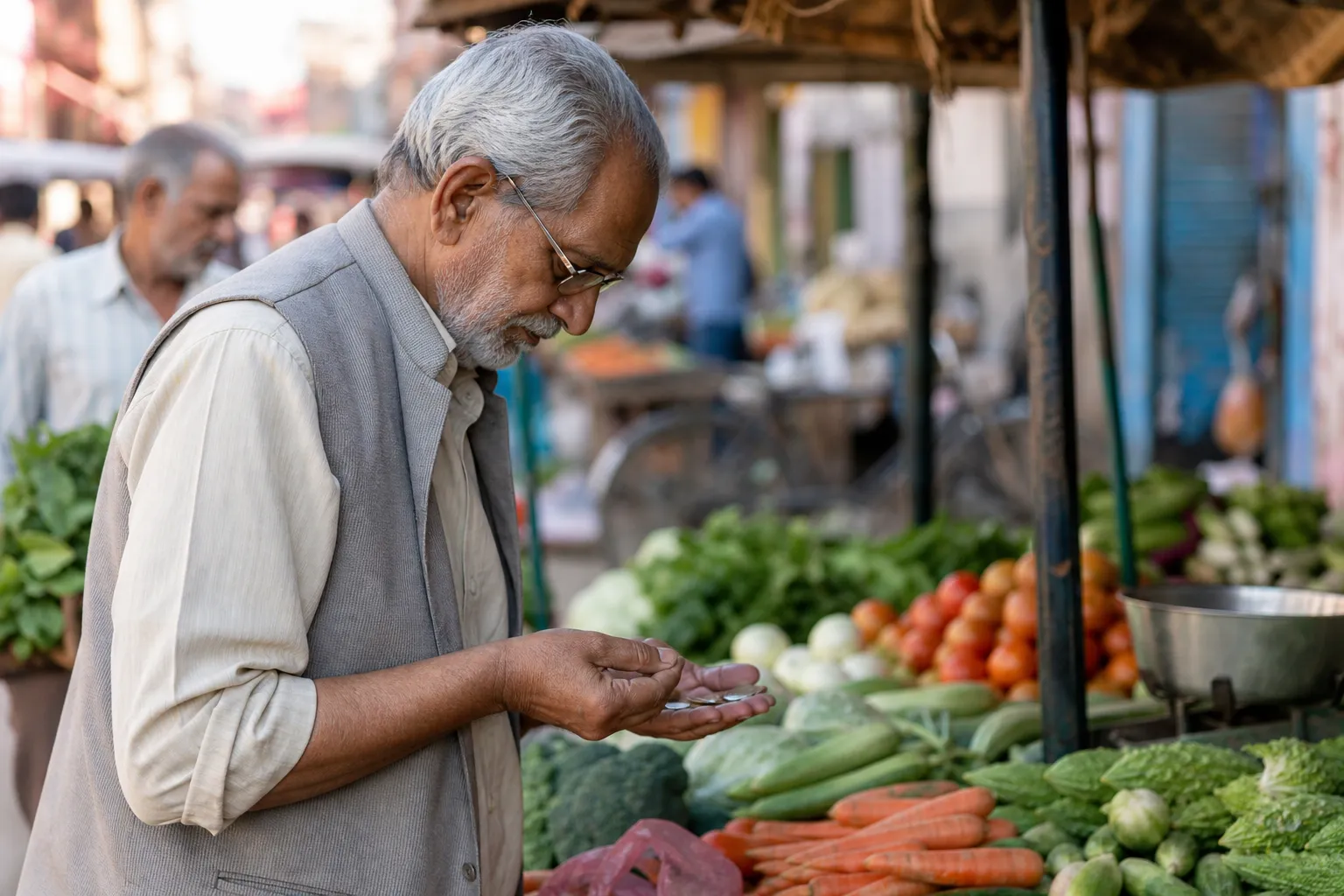
Prices: ¿Cuánto cuesta? — Son diez euros. Cuesta quince con descuento. Listen for son and cuesta as price frames.
Time: ¿Qué hora es? — Es la una; Son las dos. Use es la for 1:00; son las for other hours.
Addresses and transport: calle Mayor, número doce; autobús treinta y cuatro. Digits on signs help when speech is fast.
Phone numbers and room keys: habitación trescientos cuatro. Break long strings into pairs mentally, as natives often do.
Mistakes English speakers make
Switching trece (13) and treinta (30) under stress — practice hearing the -ce vs -ta endings in prices, not in isolation.
Forgetting agreement: veintiún euros (not veintiuno euros) before masculine nouns; veintiuna personas before feminine.
Translating clock math literally. Y cuarto (quarter past), y media (half past), menos cuarto (quarter to) are chunks — learn them as phrases.
Saying uno euro instead of un euro. Small error, easy fix once you notice it.
Mini dialogues: money and time
- — ¿Cuánto es? — Son ocho euros cincuenta. (How much is it? — It is eight fifty.)
- — ¿Qué hora es? — Son las tres y media. (What time is it? — It is three thirty.)
- — Una habitación doble, por favor. — Número doce, segundo piso. (A double room, please. — Number twelve, second floor.)
A calm week with numbers
Days 1–2: 1–10 only in prices from audio. Repeat the same price scenes until digits feel familiar.
Days 3–4: Add 11–20 and one time phrase: son las dos. No room numbers yet.
Day 5: Tens + units for prices: treinta y cinco. Combine only in heard phrases.
Days 6–7: Mix supermarket and hotel scenes. Lookup formation rules here only when a price surprises you twice.
When to drill numbers vs keep listening
Look up formation when you need to say an unfamiliar number correctly the first time — a reservation code, an address.
Keep listening when you catch the gist (about fifteen euros). Precision can come later.
Avoid daily recitation 1–100 without context. Pair every number with a object or time you care about.
Examples
¿Cuánto cuesta?
How much does it cost?
Son quince euros.
It is fifteen euros.
Son las diez y cuarto.
It is ten fifteen.
Dos cafés, por favor.
Two coffees, please.
Habitación número siete.
Room number seven.
Tengo veinte años.
I am twenty years old.
Un billete de ida.
A one-way ticket.
Cien gracias. (informal emphasis)
A hundred thanks. / Thanks a lot.
FAQ
Uno or un before a noun?
Un/unos before masculine nouns; una/unas before feminine. Uno stands alone: solo queda uno.
How do I say 1:00 vs 2:00?
Es la una (1:00). Son las dos, son las tres, etc. Plural son las except one o’clock.
Are numbers the same everywhere?
Yes in standard counting. Regional nicknames for coins or bills exist but core numbers are universal.
Should I learn hundreds early?
Only if your trip needs them — hotels, banks. Otherwise master 1–100 in prices and times first.
Why fuse dieciséis instead of diez y seis?
Spanish fuses 16–19 and sometimes 21–29 (veintiuno). Learn fused forms as standard.
Takeaway
Own 1–20 and tens in real prices and times. Combine with y only after hearing how natives pace numbers in shops and stations.