Passive learning
Spanish Shadowing Technique
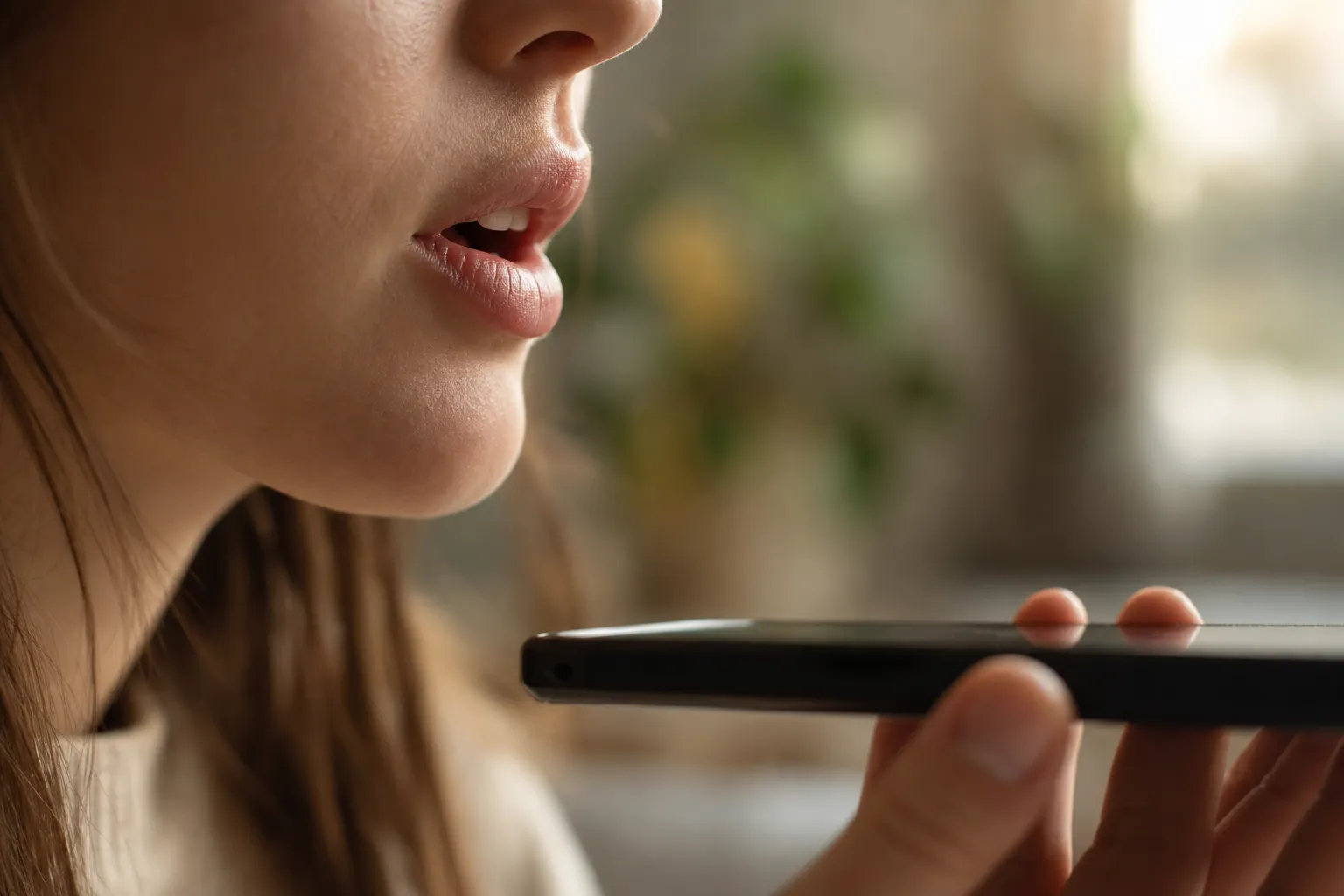
Shadowing asks you to speak along with Spanish audio almost simultaneously—like a quiet echo half a beat behind. The goal is not perfect grammar on day one; it is rhythm, vowel length, and mouth mechanics for phrases you already comprehend. Beginners should shadow short, clear lines from modules they have heard many times—not rapid native monologues. Whisper if roommates sleep. Stop when your throat tightens. Shadowing bridges listening and speaking without the performance pressure of free conversation.
What shadowing trains
Prosody, linking, and confidence moving mouth muscles in Spanish timing. It connects ear to articulators before you improvise new sentences.
Prerequisites before shadowing
Understand the line meaning. Have heard it unshadowed at least three times. Know roughly how it is spelled—text support helps.
Beginner shadowing protocol
Five lines max per session. Play-pause-play on each line until comfortable. Mumble, then speak softly, then normal volume.
- Lines under eight words
- From scenes you know
- Whisper OK
- Stop after five minutes
Advanced shadowing later
Longer clips without pause, native podcasts, varying speed—only after short-line shadowing feels easy.
Shadowing mistakes
Shadowing content you do not understand—mouth moves without meaning. Shadowing too long causing tension. Expecting conversation skill immediately after.
Pair with Slapp phrases
Shadow lines from modules where color-linked text already built comprehension—low cognitive load, high motor gain.
When to add real speaking
After weeks of shadowing familiar chunks, use one chunk in a shop or message. Script first; improv later.
Weekly shadow progression
Week 1: five words per line, pause-heavy. Week 2: full short lines, pause every line. Week 3: two lines without pause. Week 4: thirty-second clip continuous whisper.
Film your mouth in mirror once weekly—not for vanity, for lip shape on Spanish vowels. English lip habits fade slowly.
Stop shadow session before throat pain. Tension teaches bad motor memory.
Shadowing and pronunciation anxiety
Close door, shadow freely. Public performance can wait. Mouth freedom accelerates improvement.
If you giggle at yourself, good—relaxation helps prosody. Tension tightens vowels toward English defaults.
Shadowing lines from travel you will use
Prioritize shadowing phrases with stakes: allergies, tickets, emergencies. Muscle memory matters most under stress.
Whisper before you perform
Shadow alone, short lines, half a beat behind the audio—not in unison at first. Throat tension teaches bad vowels; whispering keeps jaw and tongue free while rhythm lands.
Understand the line before you shadow it aloud. Rhythm without meaning is karaoke for tourists, not acquisition that survives the next conversation.
Exaggerate Spanish vowels slightly on purpose. English habits will pull you back toward diphthongs unless you overcorrect at first in private practice.
End shadow sessions smiling, not sore. If your jaw aches, you chased speed instead of shape.
Small doses as spice
Cap at five lines or five minutes per session, whichever comes first. Shadowing is intense on the nervous system; more is not better and often cements errors.
Choose lines from scenes you already comprehend without reading. Shadowing unknown text trains mumbling and confident mispronunciation.
Record one line occasionally and compare to the model—not to judge yourself, to hear vowel drift before it fossilizes.
Pair shadowing with scenes you watched first. Mouth and meaning should travel together, not separate drills.
- Pick lines you understand
- Whisper, half beat behind
- Stop after five lines
Record and compare once a month
A thirty-second voice memo beside the module audio reveals vowel drift you cannot hear live. Compare only to past-you, not to native hosts.
Examples
Buenos días.
Good morning. (shadow slowly)
Un café, por favor.
A coffee, please.
¿Cómo estás?
How are you?
Muchas gracias.
Thank you very much.
FAQ
Do I need special shadowing apps?
Any player with pause works. Dedicated apps help advanced users; beginners need simple lines and patience.
Will I annoy people shadowing in public?
Whisper or shadow in private spaces early. Commute murmur can work at low volume.
Shadowing vs repeating after audio?
Repeat-after is easier—pause between. Shadowing is harder, better for rhythm once repeat-after feels easy.
Takeaway
Shadow short Spanish lines you understand—half a beat behind the audio. Train your mouth on familiar phrases before you freestyle. Shadow familiar lines only—your mouth learns safest when your ear already knows the meaning. Shadow understood lines briefly. Train mouth shape and rhythm, not stamina contests.