Passive learning
Spanish in 5 Minutes a Day
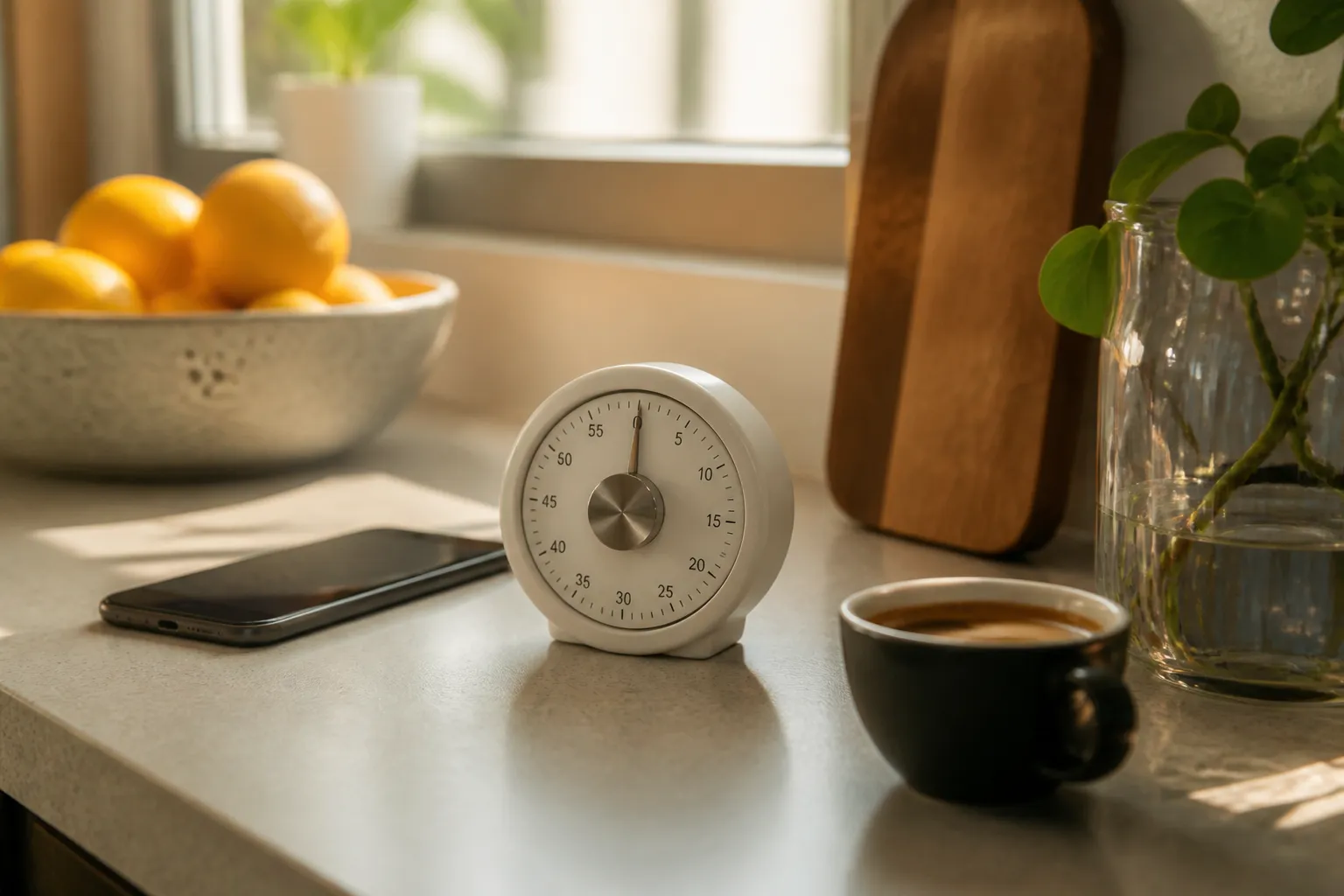
Five minutes sounds almost insulting compared to influencer study vlogs. Yet for acquisition, daily exposure at the right level matters more than heroic single sessions. Five minutes of comprehensible listening you complete every day builds a streak of contact with Spanish that weekend cramming cannot replicate. The method is intentionally small: timer on, one scene, listen through, timer off. Same scene tomorrow. By day four, you notice phrases arriving before you translate. That is compounding—not magic.
Why daily beats intensive for beginners
Memory consolidation favors spacing. Ten minutes across five days encodes better than fifty minutes once for many learners, especially early on.
Daily contact keeps Spanish psychologically “on”—less re-warming each time you return.
The exact five-minute protocol
Minute one: open your chosen module or clip. Minutes two to four: listen with text or image support. Minute five: optional second listen or whisper one line. Stop on time—scarcity protects sustainability.
What to repeat versus what to rotate
Repeat the same scene three to five days before swapping. Rotation too early prevents depth. When it feels easy, graduate— not before.
- Mon–Wed: same scene
- Thu: listen without text
- Fri: new scene or rest
- No bonus guilt sessions
When five minutes is not enough
Five is the floor, not the ceiling. On energetic days, continue—but never raise the floor so high you skip on tired days.
Common five-minute failures
Spending five minutes choosing content instead of listening. Using five minutes on Anki only—eyes without ears. Skipping because “only five minutes feels pointless.”
Tracking without streak shame
Count listening days per week—aim for five of seven. Missing two days is normal life, not moral failure.
Slapp sized for five minutes
One Slapp module fits a five-minute block with replay room. Built for repetition, not for hour-long study guilt.
Scaling beyond five without breaking the floor
Optional minute six is shadowing one line. Minute seven is writing one phrase by hand. Stop before eight unless energy is high.
On vacation, five minutes still counts beside the pool. Identity stays intact: you are someone who touches Spanish daily.
Monthly review: list three phrases that became automatic. That evidence beats any app level number for motivation.
Accountability without streak apps
Paper tally on fridge: seventeen days this month beats a flame icon. Family can cheer tally without gamified shame.
Partner check-in Sunday: one phrase demonstrated. Social fun replaces leaderboard stress.
When five minutes feels pointless
Reframe: five minutes maintains neural pathways. Zero minutes lets pathways fade. Maintenance is progress during busy months.
Stop on time on purpose
Set five minutes and end when the timer rings, even if you feel momentum. Scarcity keeps the habit honest; Sunday marathons do not replace a missing Wednesday and often trigger burnout.
Same scene Monday through Wednesday beats three new scenes you barely remember by Friday. Familiar audio compounds into prediction; novelty masquerades as progress while depth stays shallow.
Minute six, if you have it, is replay of the same module—not a new unit you have never seen. The floor stays five when life compresses and travel eats your evening.
Optional layers without breaking the floor
Minute seven can be shadowing one line you already understand without reading. Spice stays optional; the five-minute listen is the contract you keep with yourself.
Track weeks where the floor held, not single heroic days that impress nobody. Graphs of gentle consistency look boring on paper and work in real brains.
Tell a friend the floor, not the fantasy hour. Accountability to five minutes beats promises of study time you will not keep when Thursday gets messy.
Slapp’s short modules fit the five-minute contract without spillover guilt when the timer ends.
Examples
Cinco minutos al día.
Five minutes a day.
Empiezo ahora.
I start now.
La misma lección otra vez.
The same lesson again.
Poco a poco.
Little by little.
FAQ
Can five minutes lead to fluency?
Fluency takes years, but five daily minutes can build real early comprehension—especially if level-appropriate and repeated. Increase time when ready.
Morning or evening?
Whichever cue is most reliable in your life. Consistency of timing helps habits, but any time beats none.
Should I add writing?
Optional later. Protect the listening floor first. Writing five words from the scene is plenty if you enjoy it.
Takeaway
Set a five-minute floor you will not skip. Repeat one scene until it feels easy, then move on. Small daily contact is how Spanish stops feeling foreign. Five honest minutes daily outlasts occasional hour-long guilt sessions every time.