Culture
The Siesta Myth in Spain
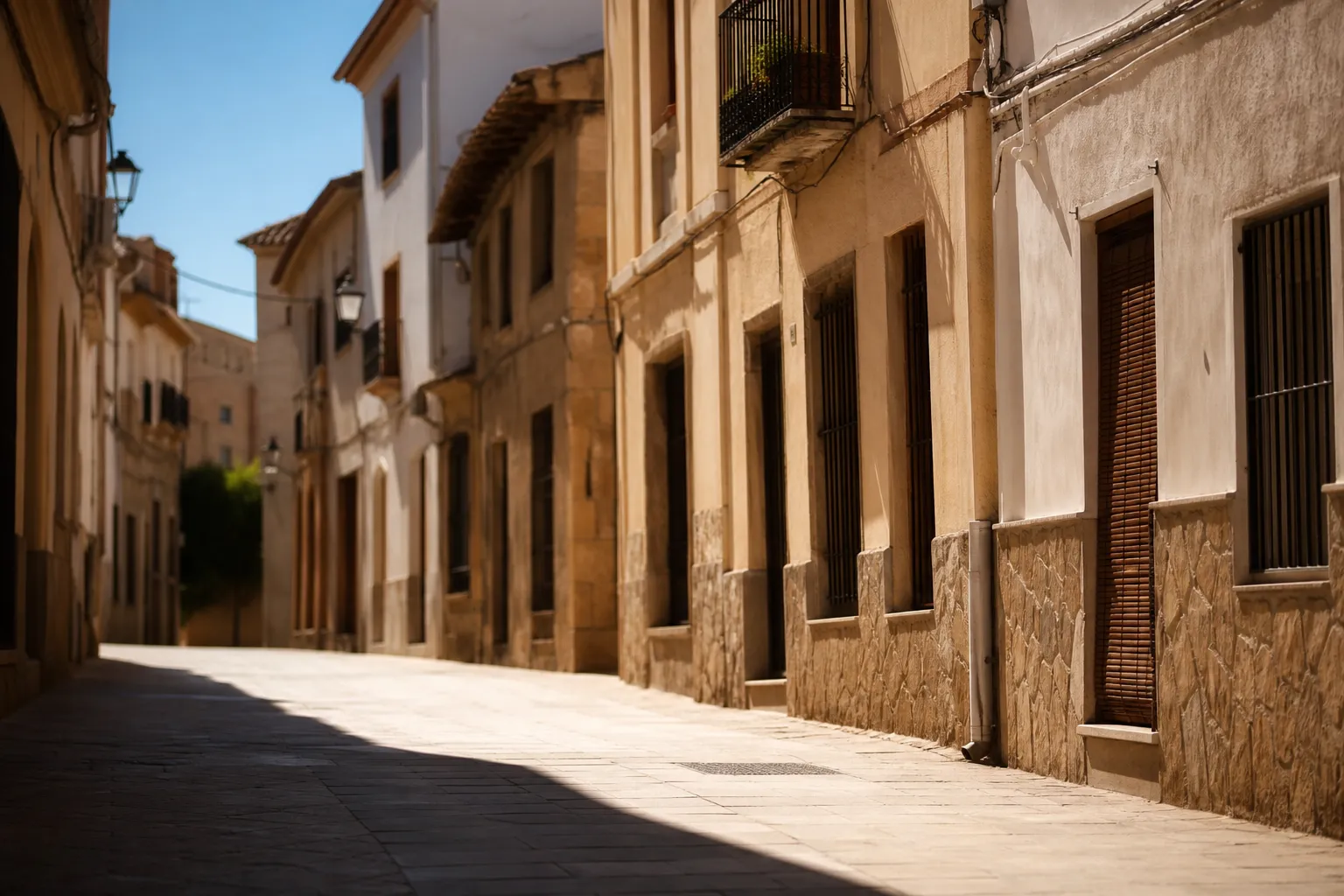
The siesta myth paints Spain as a nation napping two to four pm while shops lock—sometimes true in summer heat and small towns, often false in Madrid office life. Modern Spain runs European business hours with regional variation. What persists is meal timing and afternoon rhythm: long lunch, slower retail in villages, late dinner. English tourists should plan errands before comida or after five, not assume 24/7 US schedules. Language practice happens in those rhythms—learn cerrado, horario de verano, vuelve a las cinco. Check Google horarios before walking to a village shop at 3 p.m. Myths do not refund wasted taxi fares. Screenshot shop hours in Google Maps the night before errands—data beats arguments with outdated guidebooks.
What siesta actually is
Short rest after midday meal—more common historically and in heat. Not universal national law.
Shop hours reality
Small shops may close 2–5 pm; supermarkets in cities often stay open. Check doors for horario.
Planning tourist errands
Museums morning, lunch 1–3, rest or light sightseeing, dinner late. Avoid arguing with clocks.
- Cerrado — closed
- Horario — schedule
- Descanso — break
- Abierto a las… — opens at…
Regional and seasonal variation
August slows cities; southern heat increases pause culture. Northern cities more continuous.
Office Spain versus postcard Spain
Workers may not nap—do not impose myth on colleagues. Respect actual workplace rhythm.
Language of waiting politely
¿A qué hora abren?, Vuelvo más tarde, Gracias por esperar.
Adjust expectations without stereotype
Spain is modern and diverse—listen locally, not only folklore guides.
August and small-town planning
August closures brutal in villages—stock groceries morning. Ask: ¿Abre en agosto?
Siesta heat real in south—use pause for language podcast indoors, not frustration.
Large cities: siesta myth less relevant—follow Google hours, not folklore only.
Siesta and summer heat
Southern cities quiet afternoons July–August—plan siesta as rest, not as annoyance.
24h supermarkets in cities
Madrid/Barcelona differ from village schedules—check location type before myth rage.
August planning
August closures peak—stock water and snacks mornings. Horario de verano signs everywhere; photograph them for language practice.
Big cities differ from villages—adjust expectations by map dot size, not folklore alone.
Myth versus modern schedules
Village shops may still close mid-afternoon; Madrid chains and supermarkets often stay open through the day. August heat and holidays increase pauses—Google horarios beats folklore rage on a Sunday walk through a quiet pueblo.
Siesta as universal national nap is exaggerated in travel blogs; comida timing still runs later than US norms even when nobody sleeps. Plan sightseeing mornings, museums late afternoon, dinner after nine in cities.
Office workers may lunch long without sleeping—sobremesa conversation fills the gap at the table. Do not assume every closed shutter at three pm means someone is in bed; they may simply be at family meal.
Useful hour phrases
¿A qué hora abren otra vez?, horario de verano, vuelvo a las cinco—photograph door signs for evening study when your phone battery dies. Summer schedules shift without warning in small towns.
Supermarkets in suburbs stay open; centro histórico boutiques break for hours. Carry water and snacks if you tour outdoors 2–5 pm in July heat.
Pharmacies rotate guard duty—farmacia de guardia signs point to night coverage on holidays. ¿Hay alguna farmacia abierta cerca? saves a sick night when your usual corner shop is dark.
Supermarket hours as ground truth
Chain supermarkets often stay open through afternoon lulls while boutiques nap. Know which door you are walking toward before frustration spikes.
Examples
¿A qué hora abren otra vez?
What time do you open again?
Está cerrado por descanso.
It is closed for a break.
Vuelvo a las cinco.
I will come back at five.
Horario de verano.
Summer hours.
FAQ
Can I shop at 3 pm in Barcelona?
Often yes in chains; small shops maybe not—check Google hours.
Do Spaniards nap daily?
Many do not—especially office workers. Heat and age influence.
Siesta rude to mention?
Avoid lazy stereotypes; practical hour questions are fine.
Takeaway
Plan around Spanish afternoon rhythms without myth baggage. Ask hours, rest when shops rest, and enjoy late culture. Schedules change by town size—ask horarios instead of arguing with myths. Tourist zones often ignore siesta; villages do not. Ask hours locally; adapt plans to afternoon rhythm without fighting stereotypes.