Culture
Nicaraguan Spanish Basics
Nicaraguan Spanish carries volcanic landscapes, revolutionary history in memory, and coastlines where Caribbean English mingles with mainland speech. Learners hear vos frequently among friends, poetic diminutives in everyday talk, and food vocabulary centered on gallo pinto, vigorón, and nacatamales. This basics guide helps English speakers navigate Managua sprawl, colonial León and Granada, and respectful communication on the Atlantic coast without treating local speech as a novelty.
Vos as default among peers
Nicaragua ranks among countries where vos feels home in casual chat: ¿Vos de dónde sos? replaces tú forms often. Media and songs reinforce it.
Visitors using textbook tú are understood. Producing vos can wait until listening catches up.
Trova music and poetry festivals in León repeat past-tense narrative—ideal passive listening for grammar without textbooks. Write three new words nightly from lyrics you hear in cafés.
Mainland versus Caribbean coast
Bluefields and Corn Islands hear English Creole alongside Spanish. Managua speech is urban fast. Colonial cities slow down for tourism.
Pick listening material from your itinerary region to avoid accent whiplash.
Border crossings to Costa Rica require calm passport Spanish: ¿Dónde está migración? Carry córdobos and colones clarity—mixing currencies at the window slows everyone.
Colonial city courtesy
Granada and León reward walking Spanish: ¿Dónde está la catedral? Vendors near churches expect polite bargaining. Heat shapes pace—schedule language practice mornings.
Horse carriage tours need ¿Cuánto por persona? upfront.
Volcano boarding on Cerro Negro needs safety questions: ¿El equipo está incluido? Guides appreciate visitors who listen to Spanish instructions before the slope.
Street food vocabulary
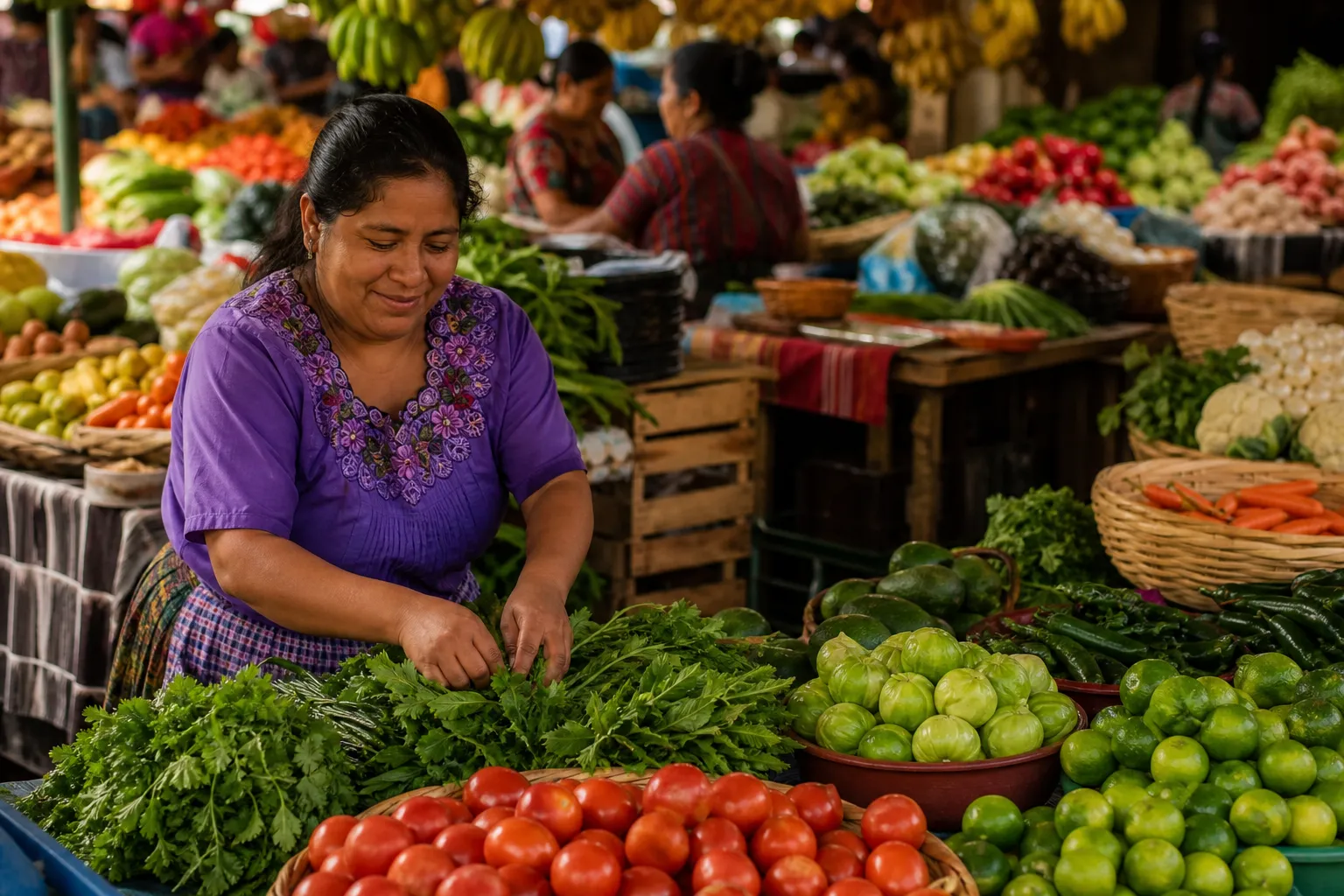
Vigorón is yuca with chicharrón and cabbage salad. Quesillo is cheese snack in traffic. ¿Para llevar? at busy stands.
Chicha de maíz and cacao drinks appear at festivals. Ask ¿Es dulce? if sugar is concern.
Granada horse carriages quote per person—confirm price before climbing. Evening cathedral square mariachis take requests; ¿Cuánto cuesta una canción? avoids awkward finishes.
Revolution and politics in conversation
History surfaces in art and older generations’ stories. Listen more than debate unless invited. Neutral ¿Me cuenta un poco? opens learning.
Avoid hot political takes as icebreakers with strangers.
Ometepe ferry decks need life jacket vocabulary for children. ¿Hay chaleco para niños? is responsible parenting Spanish every captain respects.
Transport and Managua navigation
Addresses use landmarks: de donde fue el Éxito, dos cuadras al lago. Taxis and buses need negotiation and clarity.
¿Esta ruta pasa por…? saves wrong-side-of-city loops.
Volcano and adventure Spanish
Cerro Negro boarding, Ometepe ferries, and lagoon swims need safety vocabulary: casco, chaleco, ¿Es seguro nadar aquí?
Guides appreciate questions about tiempo and equipment.
When you study Nicaraguan Spanish, record five market phrases daily and replay them before sleep. Repetition locks vos forms like ¿Vos querés café? into memory faster than single textbook readings without audio context.
Money and cordobas
Prices in córdobas; dollars sometimes accepted. Carry small bills for markets. ¿Tiene cambio? prevents stalled lines.
Propina not always expected in sodas; upscale Granada restaurants differ.
Listening practice
Nicaraguan trova music tells stories with clear narrative Spanish. Radio news trains formal speed.
Local YouTube travelogs teach landmark names better than foreign dubbing.
Cultural respect
Indigenous communities on coast and mainland deserve permission before photos. Garífuna festivals are living culture, not backdrop.
Do not call Nicaragua “cheap” as compliment—value people, not poverty tourism.
Before leaving for Nicaragua, rehearse landmark directions aloud in Spanish for ten minutes daily. Cities like Granada and León reward travelers who can ask ¿Está cerca la catedral? without opening a translation app at every corner, and vendors respond with patience when effort is visible.
Slapp modules for Nicaragua
Market, ferry, and restaurant situations mirror common routes. Practice vos recognition drills passively first.
Drill left-right for landmark-based addresses.
Examples
¿Vos de dónde sos?
Where are you from? (vos)
¿Cuánto cuesta el vigorón?
How much is the vigorón?
¿Este ferry va a Ometepe?
Does this ferry go to Ometepe?
¿Me puede hablar más despacio?
Can you speak more slowly?
Dos quesillos, por favor.
Two quesillos, please.
FAQ
Is Nicaraguan vos mandatory?
No—understanding beats producing it in week-one travel.
Do I need English on the coast?
Helpful in Bluefields; Spanish still shows respect mainland.
Is Nicaragua like Costa Rica linguistically?
Neighbors share some food words; vos usage differs in flavor.
Are addresses difficult?
Landmark-based—learn block and direction phrases deeply.
Takeaway
Nicaraguan Spanish pairs vos familiarity with volcanic-adventure vocabulary and coast diversity. Greet warmly, eat locally named dishes confidently, and navigate by landmarks with patient questions.