Passive learning
Morning Spanish Micro Habit
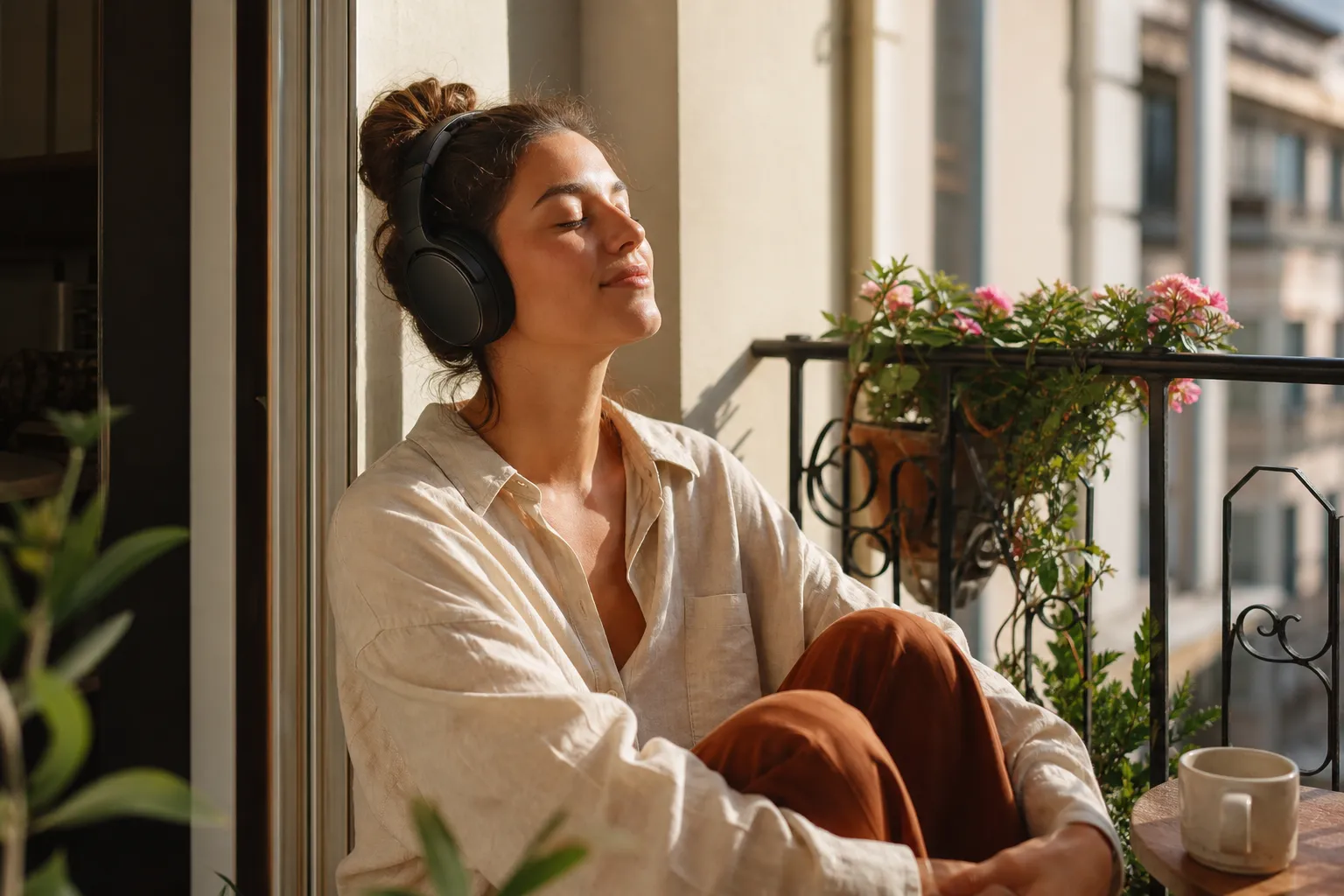
A morning Spanish micro habit is not a two-hour study block squeezed before work. It is a small, repeatable moment of understandable input that rides on something you already do—making coffee, brushing teeth, or sitting on the edge of the bed. English speakers often treat mornings as a race; the goal here is the opposite: one calm touchpoint with Spanish before the day accelerates. Five minutes of listening you mostly grasp beats an ambitious plan you abandon by Wednesday.
Why mornings work for micro input
Morning routines are already automatic. You do not need new willpower—you need a cue. When Spanish follows the same trigger every day, your brain files it alongside other non-negotiable habits like locking the door.
Early input also primes your ear before English dominates every conversation. You are not trying to become fluent by breakfast; you are giving Spanish a fair slice of attention while your mind is still settling in.
Keep the bar embarrassingly low
A micro habit succeeds when missing it feels worse than doing the tiny version. One short scene, one podcast segment, or one song with lyrics you can follow is enough. If you need twenty minutes of setup, the habit will not survive a busy week.
Write the rule on a sticky note: same content, same time, three days minimum before you switch. Familiarity is the product—not novelty.
- One audio source queued the night before
- Phone on do-not-disturb for five minutes
- No grammar tabs during the first listen
- Repeat tomorrow even if you understood little
Pair Spanish with an existing anchor
Stack listening onto coffee brewing, dog feeding, or the first ten steps to the bathroom. The anchor is the contract; Spanish is the passenger. This removes the question of when to start.
Avoid stacking onto your most chaotic moment—school drop-off panic is a bad cue. Pick a pocket that already feels steady, even if it is only three minutes long.
Choose morning-friendly material
Gentle beats intense before caffeine fully kicks in. Graded scenes with clear audio, slow news podcasts, or a familiar show dubbed in Spanish work well. Native radio at full speed often frustrates at 6:45 a.m.
Your morning content should feel like a warm-up, not an exam. If you dread pressing play, downgrade the difficulty until play feels neutral.
What to do when you oversleep
Skip guilt, not the habit entirely. A thirty-second replay of yesterday's clip on the walk to the car still counts. Micro habits survive because they bend—they do not break on imperfect days.
Doubling up later to punish a miss usually backfires. Resume tomorrow at the normal dose. Consistency over months beats perfection over days.
Signs your morning touch is working
Phrases from yesterday's audio pop into your head while pouring milk. You predict the next line before the speaker says it. These are comprehension signals—not proof you should add an hour of drills.
Speaking may still feel far away. That gap is normal when input leads. Celebrate that your ear is organizing sound before your mouth performs.
Common morning mistakes
Switching content daily because boredom feels unproductive. Chasing hardest-native material to feel serious. Checking email mid-clip and wondering why nothing sticks.
Another trap: translating every unknown word before the kettle whistles. Tolerate ambiguity when the story still makes sense. Look up only what blocks meaning entirely.
Weekend mornings are different
You may have more time Saturday—resist turning five minutes into a guilt-driven hour. Extra listening is fine when it feels optional, not owed. The weekday micro habit is the spine; weekends are bonus reps.
If you sleep in, move the cue to brunch prep instead of abandoning the week. Same audio, different anchor—habit intact.
Light tracking without streak anxiety
A simple tally on the fridge beats an app that shames a miss. Mark an X when you listened—not when you understood everything. The metric is contact, not score.
After two weeks, notice whether the cue feels automatic. That autopilot is worth more than any single marathon session.
Where Slapp fits a morning micro habit
Slapp modules are short visual scenes with aligned text and audio—easy to finish before the kettle boils. Replay the same module across mornings until it feels easy, then graduate calmly. No timer pressure, no public speaking test at dawn.
Building from micro to slightly more
Once five minutes feels boring in a good way, add a second micro moment later—never swap the morning anchor for a bigger block. Growth is additive: morning scene plus lunch walk audio, not morning scene replaced by a textbook.
The micro habit stays micro forever if that is what your life needs. Scale only when repetition is effortless, not when guilt demands it.
Examples
Buenos días. Hoy escucho español con mi café.
Good morning. Today I listen to Spanish with my coffee.
Solo cinco minutos—eso es suficiente.
Just five minutes—that is enough.
Lo repito cada mañana.
I repeat it every morning.
En la mañana prefiero audio lento.
In the morning I prefer slow audio.
No necesito estudiar mucho—solo escuchar.
I do not need to study much—just listen.
FAQ
How long should a morning Spanish habit be?
Start with three to five minutes of content you mostly understand. Length matters less than showing up at the same cue most days. Add time only when the short version feels automatic.
Should I study grammar in the morning?
Input-first mornings work better for most beginners. Save grammar as optional reference later—not as the first task when energy is thin.
What if I am not a morning person?
Pick the first stable moment in your day, even if it is mid-morning. The principle is micro plus anchor, not a specific clock time.
Can I use the same clip every day?
Yes. Repetition builds familiarity faster than constant novelty. Switch when the clip feels easy, not when boredom panics you.
Takeaway
A morning Spanish micro habit is one small, repeatable listen attached to a cue you already trust. Keep it gentle, repeat the same material until it feels easy, and let comprehension grow without guilt. The win is contact before the day runs away in English.