Culture
Latin American Greetings
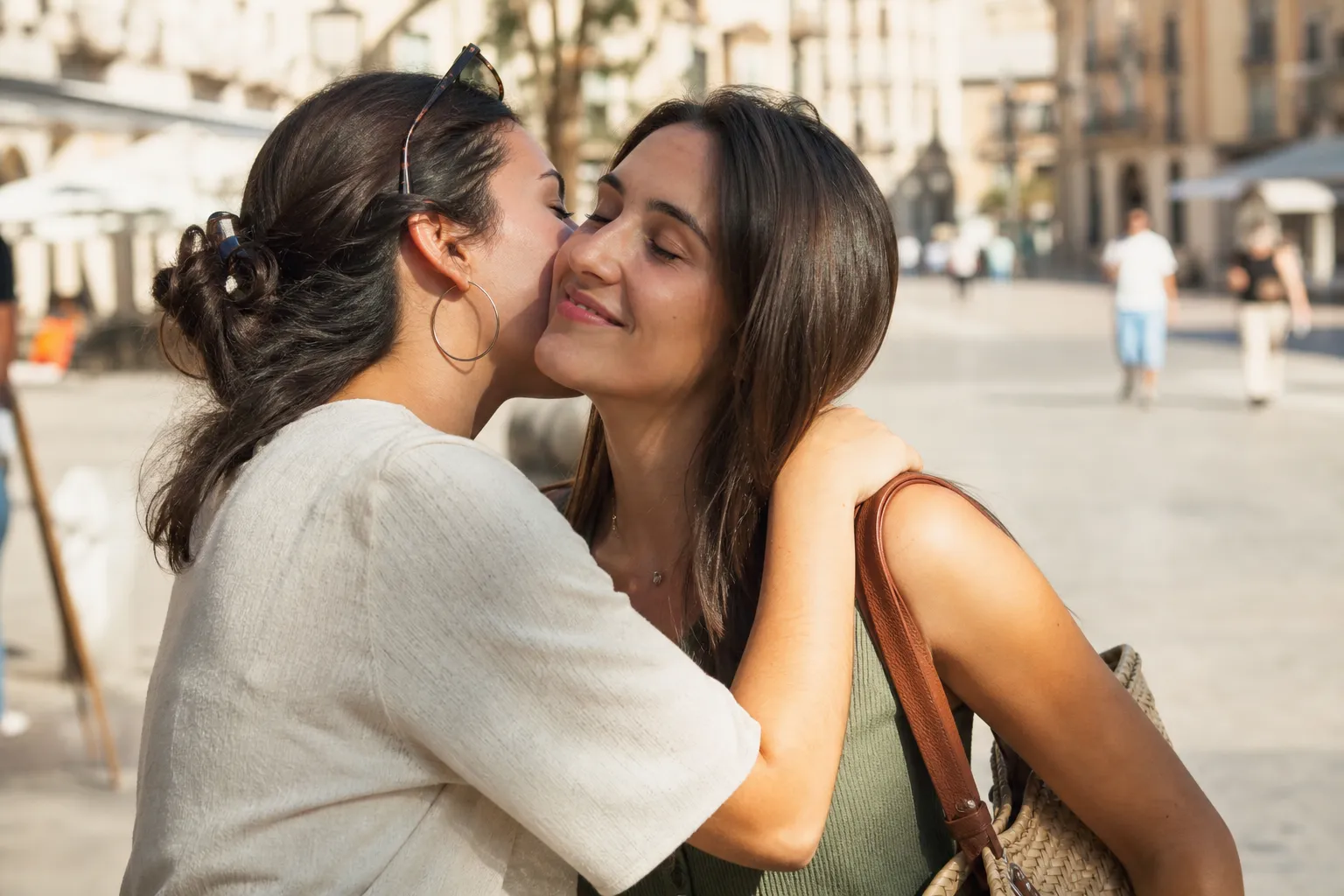
Greetings in Latin America carry warmth, touch, and time—buenos días lasts until nearly noon in many places; cheek kisses vary by country and gender norms; handshakes stay firm in business. English speakers who skip greetings and jump to transactions sound cold. Learn hola, buenos días, buenas tardes, ¿cómo está?, mucho gusto—and pause for the answer. Follow the host’s body lead on one kiss versus two, hug versus handshake. Tourists earn goodwill with effort, not flawless accent. Practice cheek-kiss count for your destination on YouTube slow-mo etiquette videos—awkward less, warm more. Watch one slow-motion etiquette video for your destination cheek-kiss count—awkwardness drops before you land.
Time-of-day phrases
Buenos días until ~noon (varies), buenas tardes afternoon, buenas noches evening arrival or goodbye.
Cheek kisses and touch
One or two kisses country-dependent—MX, AR, CL differ. Wait for lean-in; do not lunge.
Formal first meetings
Handshake plus mucho gusto; usted with elders. Business cards optional by industry.
- ¿Cómo está? — formal
- ¿Qué tal? — casual
- Mucho gusto — nice to meet you
- Encantado/a — pleased to meet you
Gender and context sensitivity
Norms evolve—observe same-gender versus opposite-gender patterns in each country.
Tourist greeting mistakes
Skipping buenos días in shops. Hugging too fast. Answering cómo estás with long English life story in line.
Phone and WhatsApp greetings
Hola + name + brief purpose—even informal media start polite.
Practice greetings in audio modules
Hear melody and rhythm before performing under stress at immigration.
Business card and title greetings
Licenciado, Doctor, Ingeniero titles still matter in formal LatAm—use until invited down.
Handshake plus slight nod shows respect in conservative offices.
Video calls: wave plus buenos días before screen share—digital greeting still greeting.
COVID-era greeting shifts
Some regions reduced cheek kisses—offer handshake or wave if unsure. Ask ¿Saludamos con beso?
Morning greeting windows
Buenos días until noon strict in some towns—afternoon buenas tardes avoids odd looks.
Business versus social greetings
Handshake plus mucho gusto in offices; cheek kisses after friendship grows in many countries—not day one with boss.
Video calls: wave plus buenos días before screen share—digital greeting still counts.
Touch and time-of-day rules
Buenos días lasts until late morning in many towns; buenas tardes follows until evening; buenas noches enters after dark, not at lunch. Mis-timed greetings sound odd but rarely offend—locals correct gently with a smile.
Cheek kiss count varies—one in some cities, two in others, sometimes between men only after friendship deepens. Mirror the host’s lean-in; handshake plus mucho gusto stays safe in offices and first business meetings.
¿Cómo está? opens conversation with polite distance; ¿Qué tal? feels slightly looser in Spain and some capitals among peers. Match usted or tú to the relationship, not your textbook chapter order.
Greetings before business
Jumping straight to ¿Tiene…? without hola can feel cold at a market stall or clinic desk. Ten seconds of human warmth—name, smile, time-of-day—speeds service afterward more than perfect grammar.
Video calls still deserve hola and ¿me escucha bien? before screen share with a client in another country. Digital warmth counts in remote work across time zones and shaky Wi-Fi.
Farewells matter too: que le vaya bien, hasta luego, cuídese close loops politely at the door. Rushing off after a transaction wastes goodwill you built at hello thirty seconds earlier.
COVID-era handshake returns
Some regions resumed cheek kisses; others prefer wave distance. Ask with a smile: ¿saludamos con beso?—locals appreciate the question.
Examples
Buenos días, ¿cómo está?
Good morning, how are you? (formal)
Mucho gusto.
Nice to meet you.
¿Qué tal?
How’s it going? (casual)
Hasta luego.
See you later.
Que tenga buen día.
Have a good day. (formal)
FAQ
Handshake or kiss first?
Follow local lean—when unsure, extend hand with smile.
Buenos días until when?
Regionally until noon or early afternoon—listen to locals.
Hug in business?
Some countries yes after rapport—mirror senior person.
Takeaway
Greet fully before business. Latin American Spanish starts with human warmth—phrases and patience matter as much as vocabulary lists. Greetings are half the conversation in many countries—invest ten seconds before business. Smile before words; warmth is part of grammar. Greet fully before requests—brief human warmth beats perfect grammar delivered cold.