Culture
Guatemalan Spanish Basics
Guatemala offers Mayan heritage, volcanic landscapes, and Spanish shaped by indigenous languages and regional pride. Antigua and Lake Atitlán draw English-speaking travelers who hear deliberate polite speech, occasional loanwords from Mayan languages, and vos in some western areas among peers. Learn universal polite Spanish first; add Guatemalan color as your ear grows. Respect for indigenous culture matters as much as vocabulary.
Spanish in a multilingual country
Millions speak K'iche', Q'eqchi', and other Mayan languages daily. Spanish is the lingua franca for travel and cities—not the only voice of Guatemala.
Do not assume indigenous people prefer Spanish—follow their lead politely.
Politeness in markets and buses
Buenos días at every stall entry. ¿Cuánto cuesta? before touching goods.
Chicken buses are loud—simple clear questions beat complex grammar.
- ¿Qué onda? casual among young friends in cities
- Patojo/a—kid colloquial, context sensitive
- Shuco sometimes means dirty or street hot dog in CDMX vs local slang—verify region
- Usted with strangers default
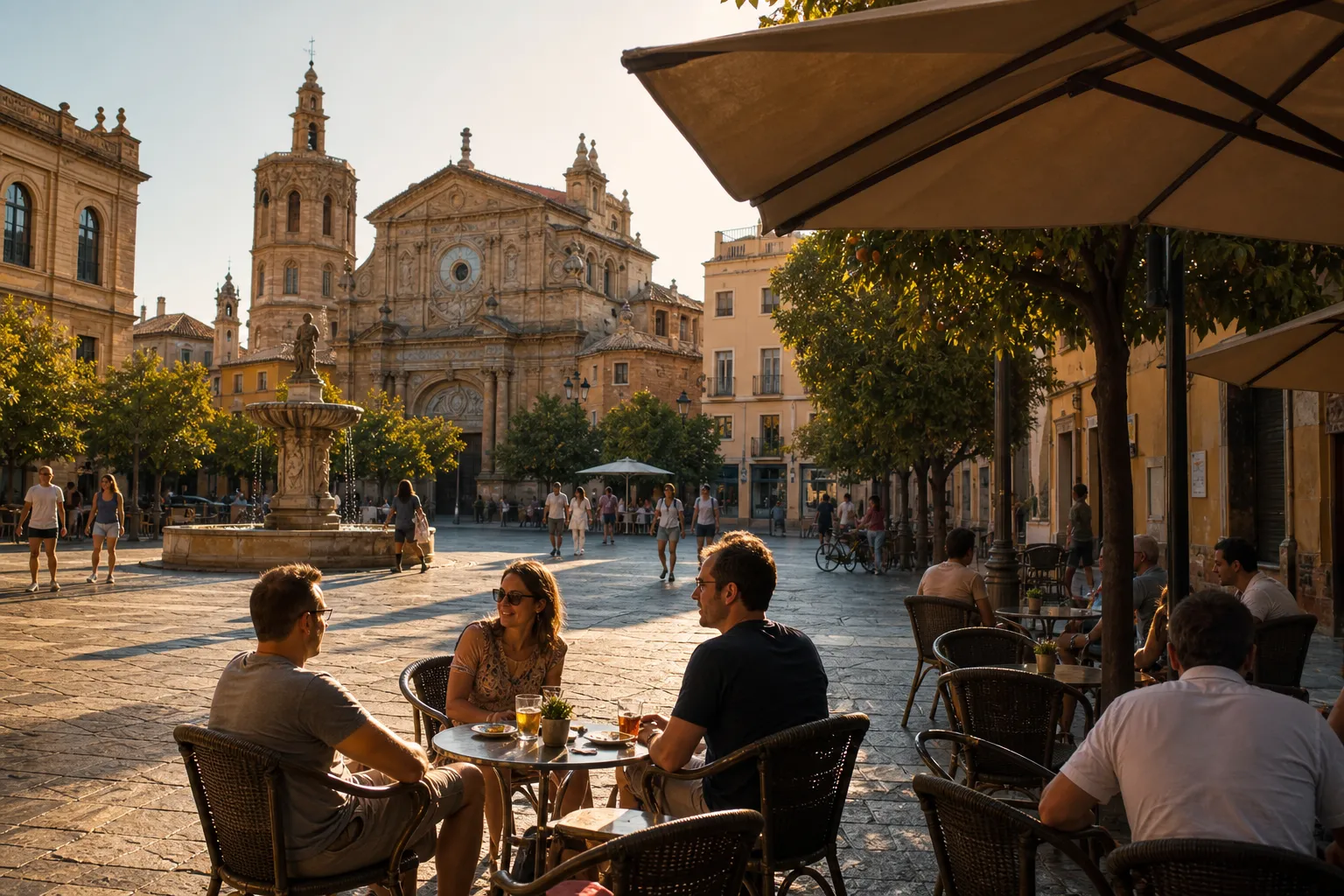
Antigua and tourist zones
Tourism English is common; Spanish efforts still appreciated in cafés and tuk-tuk negotiations.
Tip modestly for table service where customary.
Tikal and nature vocabulary
Ruinas, selva, guía, entrada. Book tours with confirmed Spanish or bilingual guide if learning.
Early morning jungle heat—hydration phrases matter.
Food words to know
Pepián, kak'ik, tortillas thick and handmade. ¿Es picante? before biting.
Street atol and tamales—ask ingredients if allergies.
Safety and health basics
¿Dónde está la farmacia? Agua embotellada vocabulary. Altitude and volcano ash rare but ask locals.
Travel insurance phrases worth knowing.
Vos in western Guatemala
Some departments use vos with friends—vos tenés versus tú tienes. Visitors can stick to tú/usted universally understood.
Listen before mimicking vos.
Time and scheduling culture
Rural appointments flex—¿A qué hora más o menos? patience helps.
Religious festivals fill calendars—ask about closures.
Handicrafts and bargaining
Admire textiles—¿Cuánto cuesta? polite. Bulk discount ¿Me hace un descuento? with smile.
Support fair trade shops if budget allows.
Listening resources
Guatemalan learner podcasts, radio clips from Universidad de San Carlos outreach.
Hear Mayan-accented Spanish as normal diversity, not error.
Slapp before Guatemala
Greetings, directions, restaurant modules pair with market culture and formal versus informal situations.
Confidence grows from repeated scenes, not cramming slang lists.
Semana Santa and festival seasons
Holy Week processions fill Antigua—learn cerrado, procesión, reserva hotel early vocabulary.
Festivals shift schedules; ¿Está abierto mañana? saves plans.
Lake Atitlán village hopping
Boats between villages—¿Cuánto cuesta el lancha? and life jacket awareness phrases matter.
Each village has different pace; polite greetings always land.
Supporting local Spanish teachers
One-on-one lessons in Antigua or Xela fund local teachers while tuning your ear to Guatemalan speech.
Homestays add mealtime listening authentic and gentle.
Listening before Guatemala
Seek Guatemalan learner audio and slow radio clips—Antigua clarity differs from rural bus noise; both appear on real trips.
Learn food and market phrases until comfortable; textiles and bargaining reward patience more than slang.
Homestays and local teachers fund communities while tuning your ear—worth budgeting if time allows.
Guatemala with respectful curiosity
Mayan culture deserves more than photo stops—learn basic respect phrases and listen in markets without exoticizing.
Antigua Spanish classes abound—budget one week structured listening if possible.
Bus and market Spanish beat textbook rarity lists for real trips.
Closing Guatemala notes
Guatemala rewards slow travelers who greet first and listen second—rush misses warmth.
Textile and volcano vocabulary is bonus; survival politeness is foundation.
Homestay phrases heard at dinner beat apps—human context imprints sound.
Examples
Buenos días, ¿cuánto cuesta?
Good morning, how much does it cost?
¿Dónde está el baño, por favor?
Where is the bathroom, please?
No pica mucho, ¿verdad?
It is not very spicy, right?
Muchas gracias, muy amable.
Thank you, very kind.
¿Habla más despacio, por favor?
Do you speak more slowly, please?
FAQ
Is Guatemalan Spanish hard for beginners?
Polite slow speech in tourist areas is manageable. Rural accents and speed vary—patience and repetition help.
Should I learn Mayan phrases?
A few local greetings can delight, but Spanish remains the practical travel language. Always ask respectfully.
Is Guatemala safe for Spanish practice?
Travel conditions vary by region—follow current guidance. Polite Spanish helps daily interactions everywhere.
Takeaway
Guatemala welcomes effort: morning greetings, market prices, food questions, and respect for indigenous languages. Build calm Spanish basics before chasing regional slang on the volcano trail. Politeness and market Spanish will carry you farther than slang lists on day one. Listen in Antigua, speak gently everywhere. Homestay dinners teach phrases textbooks skip.