Culture
Ecuadorian Spanish Guide
Ecuador packs dramatic geography and gentle hospitality into Spanish that many learners find clear—especially in the highlands around Quito. Visitors hear s often pronounced softly, diminutives everywhere, and warm usted defaults with strangers. English speakers preparing for the Galápagos, Amazon trips, or Quito study stays benefit from polite basics plus a few local words. Respect and slow questions beat slang performance.
Highland clarity and coastal rhythm
Many learners describe Andean Spanish as relatively clear for beginners. Coastal Esmeraldas and Guayaquil speech can be faster with more local color—ears need exposure, not fear.
Regional variety inside one country—ask where someone is from with genuine curiosity.
Politeness and usted culture
Buenos días, por favor, gracias open shops and taxis. Usted with elders and service staff until invited to tú.
¿Cómo le va? and ¿Qué tal? work in casual polite chat.
- ¿Mande? less common than Mexico—¿Cómo? or ¿Sí? for pardon
- Diminutives: cafecito, ahorita, poquito
- Full meals: almuerzo often main social meal
- Cash still common in markets
Useful Ecuador-specific vocabulary
Chévere means cool or nice in much of Ecuador. Achachay expresses cold in highlands—cultural exclamation.
Colectivo for shared taxi routes; busetas on roads. Understand context before using slang.
Indigenous languages in the background
Quichua words appear in place names and food—pan de yuca, cuy as guinea pig dish in some regions.
Do not assume everyone speaks Quichua; Spanish is national language.
Food and market etiquette
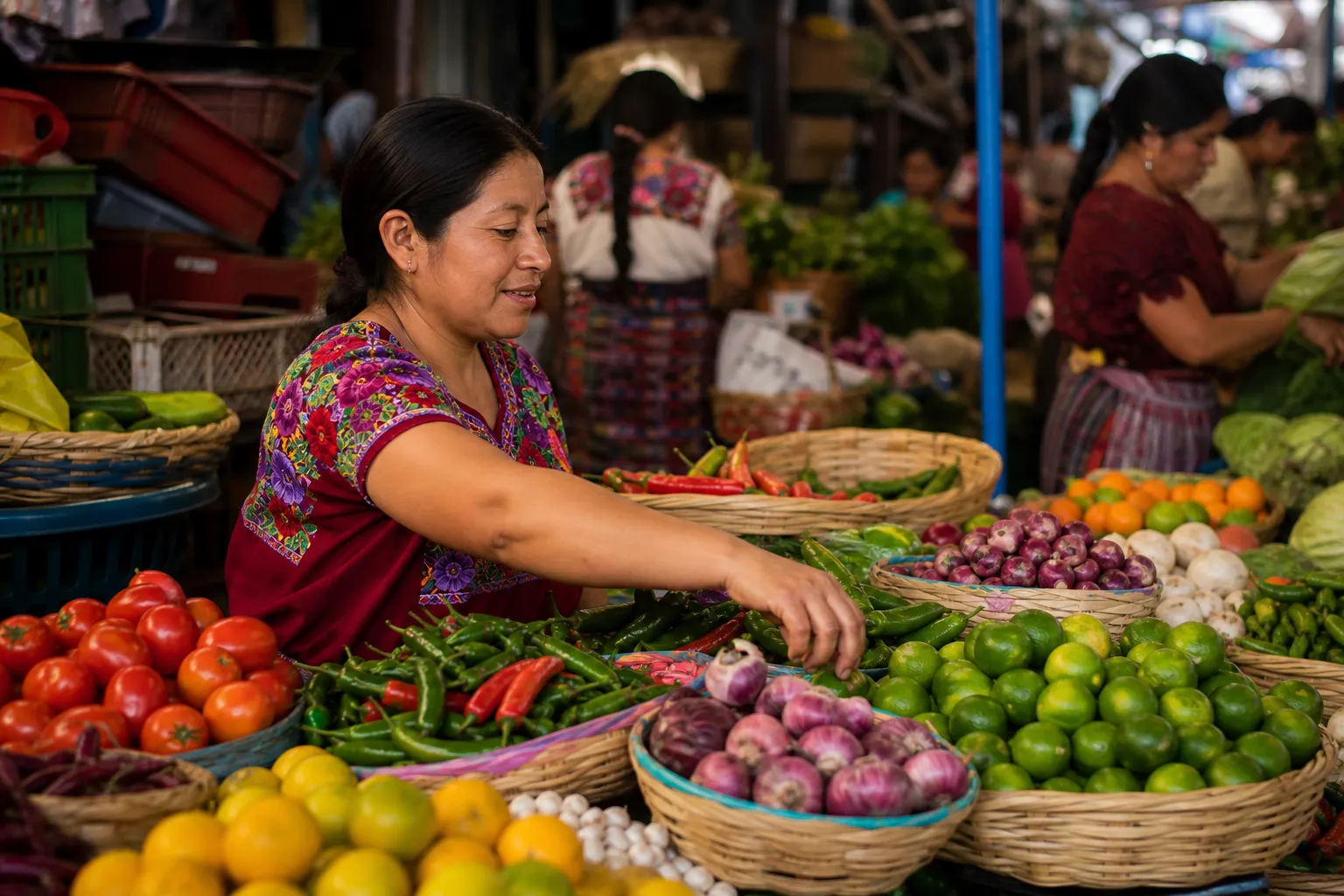
Ask price before ordering street food. ¿Cuánto cuesta? with smile.
Try locro de papa, empanadas, fresh jugos. Compliment with ¡Qué rico!
Money and bargaining
US dollar is official currency—no exchange confusion, but carry small bills for vendors.
Polite bargain in artisan markets, not supermarkets.
Altitude and small talk
Quito at 2,800 meters—light headaches normal. ¿Cómo se siente? care from hosts.
Weather small talk is real—sudden rain in mountains.
Safety phrases without panic
¿Dónde está la farmacia? ¿Puede llamar a un taxi? Calm tone works.
Follow local guidance on neighborhoods at night.
Galápagos and Amazon travel Spanish
Tour operators often bilingual—still use Spanish greetings with crew.
Environmental vocabulary: tortuga, fauna, reserva.
Listening practice for Ecuador
Seek Ecuadorian podcasts for learners, local radio clips on YouTube slowly.
Notice diminutives and polite forms in dialogues.
Pair travel phrases with Slapp
Greetings and market modules plus spanish-in-ecuador situation pages build ear before landing.
Slang optional after polite core sticks.
Sierra versus costa travel tone
Highland markets move at walking pace; coastal cities pulse faster. Adjust listening expectations before trips between regions.
Both reward the same polite Spanish core from travelers.
Environmental and community respect
Galápagos and Amazon tours emphasize conservation vocabulary—listen to guides, follow rules, greet crew in Spanish.
Respect protects experiences and language practice opportunities.
Staying beyond tourism phrases
Longer stays mean learning bus routes and market rhythms—not only museum lines.
Repeat weekly market visits build real Ecuadorian listening beyond phrasebook loops.
Travel listening before Ecuador
Queue Ecuadorian learner podcasts and slow interviews before landing—Andean clarity helps expectations, coast reminds you to stay humble with speed.
Practice market numbers and greetings until automatic; dollars still need polite Spanish.
Respect indigenous language regions—Spanish is bridge, not replacement for local identity.
Ecuador travel empathy
Learn service phrases deeply—gracias, por favor, disculpe—Ecuadorian warmth responds to effort.
Dollar economy simplifies transactions; politeness still localizes you as respectful guest.
Listen for regional pride; ask gentle questions about city origin to widen ear.
Leaving room for surprise
Guidebooks end; Ecuadorian kindness in markets continues—stay curious beyond prepared lists.
Save slow audio from trip to replay at home—memory and ear reinforce each other.
Return visits deepen Spanish faster than first trip—familiarity breeds courage to speak.
Examples
¿Qué tal? ¿Cómo le va?
How are you? How is it going? (polite)
Qué chévere.
How cool / nice.
¿Cuánto cuesta esto?
How much does this cost?
Un jugo de maracuyá, por favor.
A passion fruit juice, please.
Muchas gracias por su ayuda.
Thank you very much for your help.
FAQ
Is Ecuadorian Spanish easy for beginners?
Many learners find highland speech relatively clear, but all regions vary. Polite slow questions always help.
Do Ecuadorians use vos or tú?
Tú is common in casual speech with peers. Usted remains important with strangers and elders.
What currency is used?
The US dollar. Small bills are useful for taxis and markets.
Should tourists learn Quichua words?
A few food and place terms enrich travel, but Spanish is the practical daily language for visitors.
Takeaway
Ecuador rewards polite, curious Spanish—clear highland speech, warm diminutives, and market kindness. Master greetings and prices; let local flavor arrive through listening on the ground.