Culture
Día de los Muertos Phrases
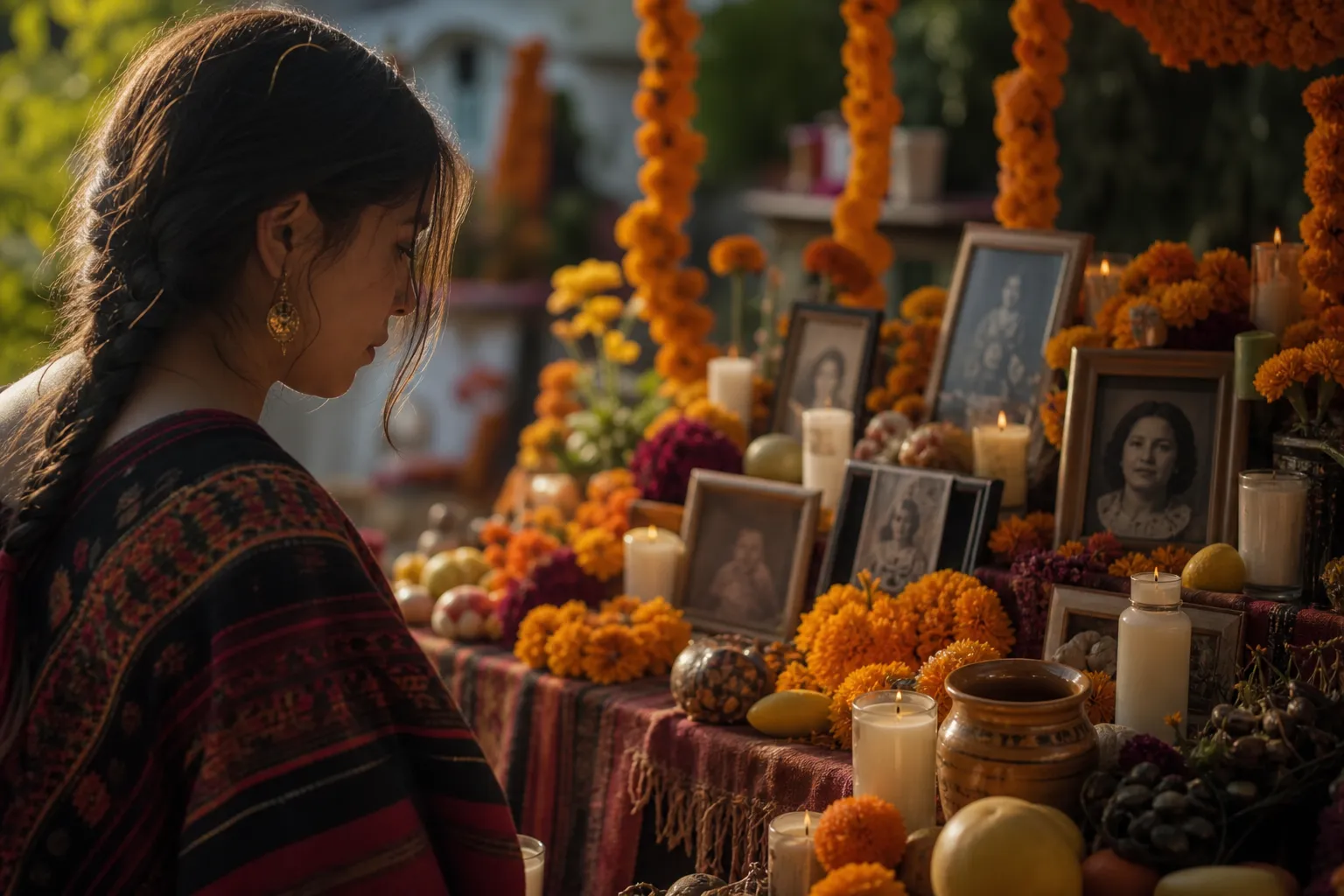
Día de los Muertos in Mexico is a family remembrance tradition—altars, marigolds, photos of loved ones, and stories—not a horror theme party. English-speaking visitors should learn vocabulary to appreciate, not to perform stereotypes. Words like ofrenda, calavera, cempasúchil, and descanse en paz carry emotional weight. Ask permission before photographing private altars. Dress and makeup choices should respect communities, especially outside tourist centers. Language here is cultural literacy: speak with warmth, avoid treating graves as photo props. Learn vocabulary to honor, not to costume. Ask families before photographing altars; gratitude vocabulary matters most.
Meaning before merchandise
Hollywood mixes Halloween and Día de los Muertos—locals feel the difference. Learn history briefly; use phrases with respect.
Core vocabulary
Ofrenda (offering altar), calavera (skull imagery), cempasúchil (marigold), pan de muerto (bread), difuntos (deceased), descanse en paz (rest in peace).
Phrases for participation
¿Puedo tomar una foto?, Con permiso, Gracias por compartir, Qué bonita ofrenda—ask and compliment sincerely.
- Ofrenda — altar offering
- Cempasúchil — marigold flower
- Pan de muerto — traditional bread
- Descanse en paz — rest in peace
What tourists get wrong
Sexy skeleton costumes at sacred sites. Loud partying at cemeteries. Touching altar items without invitation.
Regional timing and events
Late October through November 2 traditions vary by town. Patzcuaro, Oaxaca, and CDMX draw crowds—plan transport and lodging early.
Media and classroom Spanish
Coco and documentaries offer audio practice—note respectful tone in dialogues.
Pair vocabulary with Mexico context
Mexico situation pages plus calm listening build phrases you can use kindly on the ground.
Classroom versus cemetery Spanish
School projects may use festive language; cemetery visits need quieter tone and fewer selfies.
Ask teachers or guides: ¿Cuál es la costumbre aquí? before assuming Coco movie equals local practice.
Support artisans buying papel picado—learn craft vocabulary, tip fairly.
Supporting friends who mourn
If colleague observes privately, simple Lo siento por tu pérdida beats festive slang. Read emotional room.
Museum exhibits versus cemetery visits
Museums teach vocabulary; cemeteries teach silence. Different phrase sets, same respect.
Supporting friends who grieve
Lo siento por tu pérdida beats festive slang at private moments. Read emotional room before cheerful phrases.
Offer help concretely: ¿Necesitas algo?—simple human Spanish.
Remembrance, not costume party
Ofrenda, calavera, cempasúchil, and pan de muerto carry family memory in Mexico and parts of Central America—not Halloween props. Altars hold photos, favorite foods, and candles for specific people. Language here is intimate, not tourist spectacle.
Feliz Día de Muertos shouted to strangers at a cemetery can land badly. Warm human greetings—buenas tardes, gracias por dejarme ver—fit better when you are a guest at someone’s remembrance.
La catrina imagery is artistic and historical; sugar skull face paint at home parties differs from community ritual. Learn words to honor; ask before photographing private altars or family gatherings.
Participating respectfully
¿Puedo tomar una foto?, ¿Quién es esta persona en la foto?—permission and curiosity open learning without intrusion. Offer gracias por explicarme when someone shares stories; listening matters more than reciting phrase lists.
En memoria de… and siempre en nuestros corazones appear on cards and speeches. You need not perform them—understanding tone prevents treating the day like a festival backdrop for selfies.
Marigold paths and incense scent mark sacred space in many towns. Walk quietly, speak softly, and avoid touching offerings. Your Spanish can be simple; your presence should be considerate.
Museum versus cemetery tone
Museums teach vocabulary aloud; cemeteries teach silence. Pack different phrase sets—questions in one, gratitude whispers in the other.
Examples
Qué bonita ofrenda.
What a beautiful altar.
¿Puedo tomar una foto?
May I take a photo?
Descanse en paz.
Rest in peace.
Gracias por explicarme.
Thank you for explaining to me.
¿Qué significa esto?
What does this mean?
FAQ
Is it Mexican Halloween?
No—distinct tradition of honoring deceased loved ones. Avoid treating it as costume holiday only.
Can tourists visit cemeteries?
Often yes respectfully—follow local guidance, silence phones, ask families.
Appropriate greeting?
Warm human greetings; no special “happy Day of the Dead” to strangers at graves.
Takeaway
Learn Día de los Muertos words to honor, not to perform. Ask, listen, and treat altars as someone’s family story—not your backdrop. Learn Día de Muertos words to honor the living and the dead—respect and listening beat tourist performance.