Culture
Colombian Spanish Politeness
Colombia is famous among learners for relatively clear pronunciation and courteous speech—especially in Bogotá and Medellín media. Politeness is not stiff formality; it is warmth with distance until friendship grows. Usted appears widely in service interactions; diminutives (-ito) soften requests. English speakers should lean polite, avoid rushing to tú with older strangers, and listen for local greetings like ¿Qué más? and quiubo among friends. Colombian Spanish rewards calm, friendly tone as much as conjugation charts. Colombian warmth rewards slow greetings. Rush to business sounds colder than you intend—take ten seconds for buenos días and cómo está.
Why learners love Colombian audio
Many find consonants clearer than rapid Caribbean or Andalusian speech. Podcasts and telenovelas from Colombia are popular learner bridges—not the only Spanish, but friendly to ears.
Usted as default respect
Shops, taxis, offices: ¿Me regala…? (polite give-me) and usted verb forms signal respect. Wait for locals to offer tú.
Softeners and warmth
Diminutives: un momentico, ahorita. Pleasantries before business: greeting, how are you, then request.
- ¿Qué más? — how’s it going (friendly)
- Con mucho gusto — with pleasure
- ¿Me regala la cuenta? — bill please (polite)
- Mucho gusto — nice to meet you
Regional variety inside Colombia
Coastal Spanish faster; paisa melody distinct; Amazon and border zones add vocabulary. Politeness theme persists with local slang.
What tourists get wrong
Mimicking narco-media slang. Skipping greetings. Speaking English loudly instead of simple Spanish attempts.
Safe travel phrases
¿Me puede ayudar?, ¿Dónde queda…?, Más despacio, por favor—universal politeness package.
Practice with Colombia situations
Slapp Colombia pages plus polite phrase modules build tone before you land.
Bogotá versus coast register shifts
Bogotá often feels formal-clear to learners; Cartagena faster and more Caribbean. Adjust ear, not politeness.
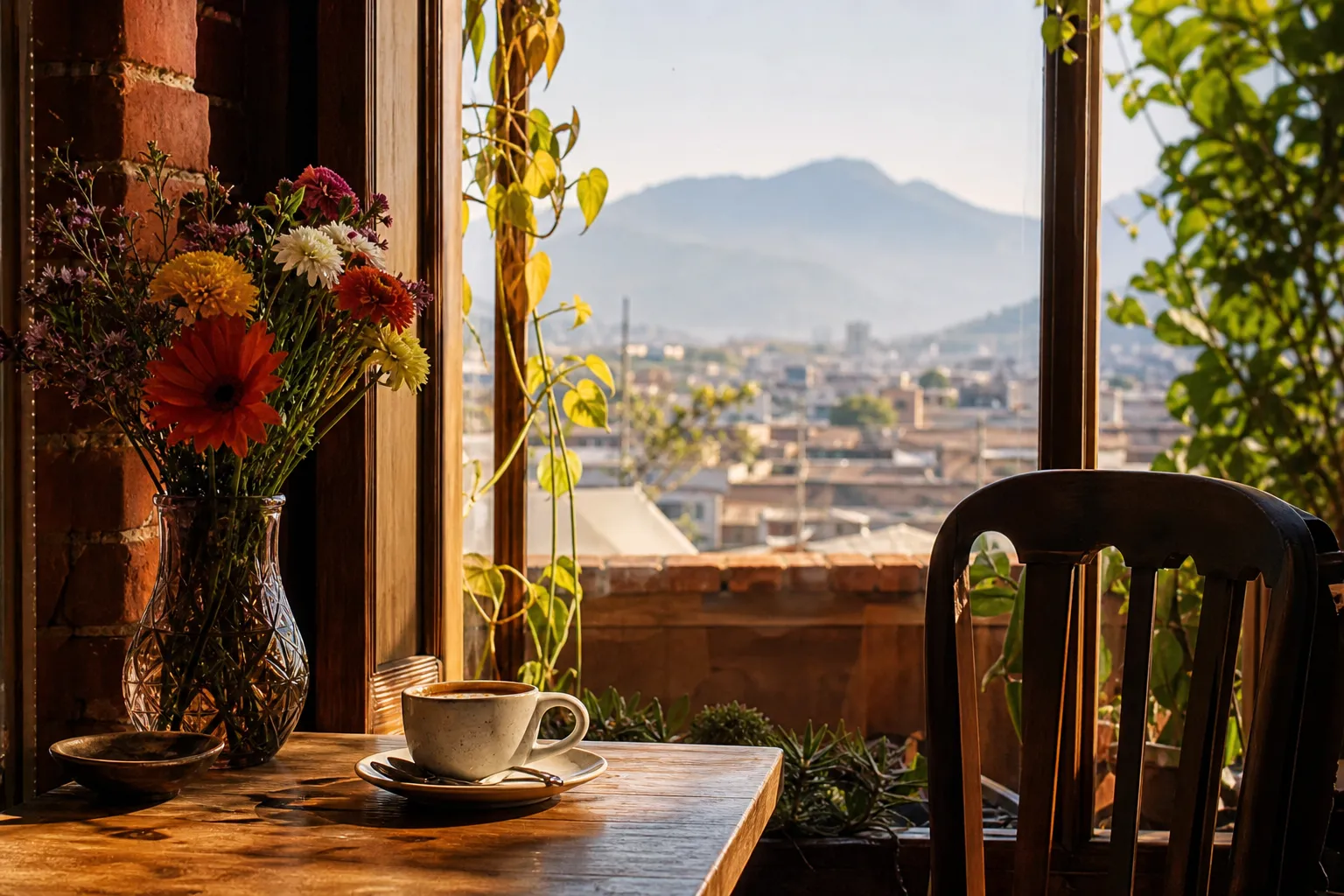
Coffee culture: tinto, perico—order words bond baristas. Repeat same café for familiarity.
If invited to family comida, bring small gift and use usted with elders until explicitly tutear.
Business Colombian Spanish
Emails retain formality longer—Estimado/a, cordial saludo. Match corporate culture even if street speech relaxes.
Coffee shop small talk
Baristas often chat weather and sports—short answers with gracias build repeat-customer warmth.
Escalators of formality
Start usted in offices; mirror tú when colleagues offer it. Switching gracefully matters more than never making mistakes.
Text messages may relax faster than face-to-face—still open with hola and a name.
Usted in daily commerce
In much of Colombia, usted is default with shopkeepers, taxi drivers, and new colleagues—not stiff formality but everyday respect. ¿Me regala la cuenta? frames a request politely; it does not mean literal gifting. Tone matters as much as pronouns.
Bogotá media often sounds clear to learners; coastal and paisa regions add melody and faster rhythm. Stay polite everywhere: buenos días before ¿Cuánto cuesta? signals you are a considerate visitor, not a transaction.
Listo and con mucho gusto close exchanges warmly. Clerks may use diminutives—un momentico, un tintico—without talking down to you. Mirror softly after rapport builds rather than jumping to slang.
Diminutives as warmth, not childishness
Ahorita, ratito, and cafecito soften time and objects in ways English lacks. They signal friendliness in customer service, not baby talk. Repeating them too early can sound performative; listening first teaches natural placement.
¿Qué más? as “what else?” appears at checkout counters nationwide. It is efficient and polite when said with a smile. Combine it with gracias, muy amable and you sound locally aware without overdoing it.
Colombians often avoid blunt disagreement in public. Entiendo, pero prefiero… travels better than a flat no in delicate moments. Courtesy is a social lubricant, not a language trap for foreigners.
Examples
¿Qué más?
How’s it going? (friendly)
Con mucho gusto.
With pleasure.
¿Me regala un tinto, por favor?
Could I get a black coffee, please? (polite)
Mucho gusto.
Nice to meet you.
¿Usted me puede indicar?
Could you point me there? (formal)
FAQ
Is Colombian Spanish “best”?
No single best—many find it clear for learning. Exposure diversity still matters long term.
Tú or usted with taxi drivers?
Often usted or polite requests until rapport builds—follow their lead.
What is ¿Me regala…?
Takeaway
Lead with Colombian courtesy: greetings, usted, soft tone. Clarity plus politeness makes Colombia a gentle place to grow your Spanish ear. Colombian courtesy blends usted, soft tone, and warmth—politeness opens doors faster than slang experiments.