Culture
Ceviche Coast Spanish Culture
Ceviche along Latin America’s Pacific coast is raw fish transformed by citrus, chili, and coastal Spanish that smells like lime and sea breeze. From Peru’s leche de tigre to Ecuador’s tomato-based versions, vocabulary shifts with the recipe. English speakers should learn fish names, freshness questions, and lunch-timing etiquette—ceviche is often midday food, not midnight dare—while respecting each country’s claim to authenticity without starting wars at the table. Pacific coast Spanish tastes like lime and salt air—fish names, spice requests, and lunch-hour timing matter as much as grammar. Ceviche is not generic “seafood salad”; it is national pride in Peru, weekend ritual in Ecuador, and coastal identity everywhere citrus meets ocean. Learners who study ceviche vocabulary gain edible cultural literacy: you will hear leche de tigre on food shows, see cebicherías on every Lima corner, and sit with families who measure freshness in hours, not days. Respect the clock, respect the catch, and your Spanish will smell like the sea.
What ceviche means on the coast
Fish or seafood cures in acid—lime or bitter orange—turning flesh opaque. Onion, cilantro, ají, and salt balance flavor. Served cold with camote, choclo, or tostadas depending on nation.
Freshness is religion—morning catch, lunch plate. Evening ceviche raises eyebrows in traditional towns.
Peruvian baseline vocabulary
Leche de tigre is citrus marinade “tiger’s milk.” Choclo is large corn; camote is sweet potato. Ají limo adds heat. Pescado fresco means fresh fish—ask anyway.
Mixto adds octopus, shrimp, shellfish—confirm allergies.
- leche de tigre — citrus marinade
- pescado fresco — fresh fish
- ají — chili pepper
- cebichería — ceviche restaurant
Ecuador, Colombia, and Mexico variations
Ecuador may add tomato and ketchup-influenced sauces in some homes—regional pride varies. Colombian ceviche on coast includes ketchup and soda crackers for crunch.
Mexico’s aguachile cousins share citrus cure DNA with different names—listen locally.
Ordering at a cebichería
¿Qué pescado tienen hoy? shows savvy. ¿Es recomendado para almuerzo? timing question. Porción personal versus para compartir clarifies size.
Combo with arroz or chicha morada in Peru rounds meal.
Etiquette and spice management
Picante levels vary—poco picante, por favor saves beginners. Do not ask for ketchup in Lima unless you enjoy silence.
Eat promptly—ceviche does not improve sitting twenty minutes in sun.
Safety and freshness phrases
¿Lo preparan al momento? ¿De dónde es el pescado? legitimate at reputable places. If smell seems off, walk away politely.
Shellfish allergies: soy alérgico a los mariscos—memorize.
Coastal Spanish beyond the plate
Pescador, muelle, embarcación, marea—fisherman, dock, boat, tide—color small talk with vendors. Morning market visits build ecosystem vocabulary.
Weather talk ties to catch: hoy hubo buena pesca.
Ceviche as social lunch
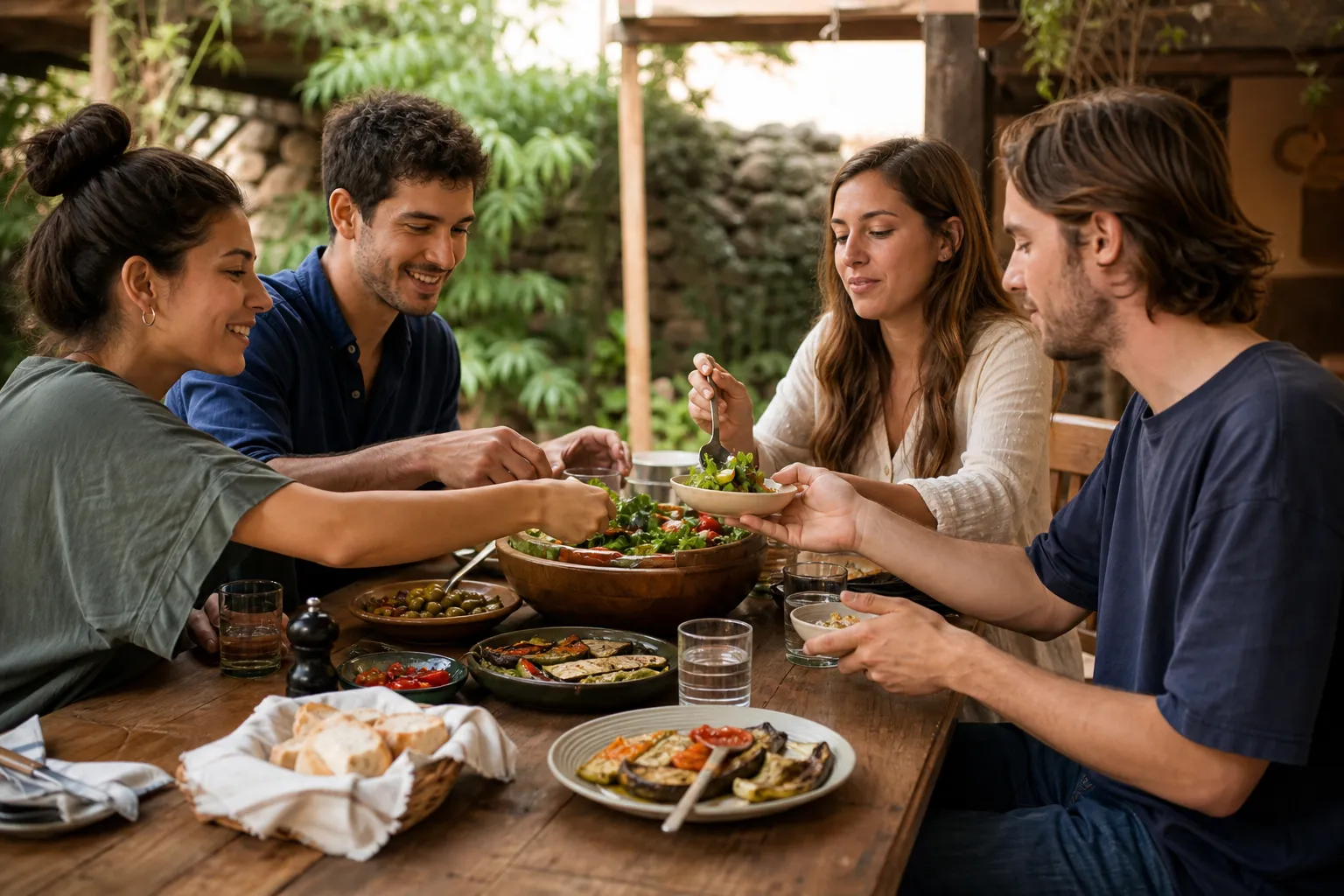
Business lunches and beach weekends center ceviche with beer or soda. Compartimos una causa y un ceviche—sharing plates bonds groups.
Sobremesa shorter at lunch counters but still present—do not rush bill if conversation flows.
Regional pride and polite debate
Peru, Ecuador, Chile each claim ceviche heritage. As learner, praise what you eat: el mejor ceviche que he probado. Avoid declaring winners unless invited to friendly banter.
National rivalry is meme material—laugh lightly, stay humble.
Home preparation vocabulary
Host may offer DIY ceviche—¿Me enseña a prepararlo? Flatters. Knife skills words: picar, exprimir, marinar.
Gift bringing wine less common than bringing limes or hot sauce as joke among friends.
Fish market vocabulary at 6 am—subasta, lancha, pescado del día—prepares you for lunch cebichería choices. Early risers hear clearest coastal Spanish before traffic noise.
Study coastal food before travel
Cooking shows in Spanish repeat fish names weekly. Slapp restaurant and Peru situation modules pair ordering with listening.
Practice choclo and camote pronunciation—vendors smile at effort.
Ceviche cooking classes in Lima teach picar cebolla and exprimir limón verbs hands-on. Pay attention; those verbs reappear in every kitchen invitation.
Examples
¿Qué pescado tienen hoy?
What fish do you have today?
Un ceviche mixto, por favor.
A mixed seafood ceviche, please.
Poco picante, por favor.
Mild spice, please.
¿Lo preparan al momento?
Do you prepare it fresh to order?
Está fresco y delicioso.
It is fresh and delicious.
FAQ
Is ceviche only Peruvian?
Many Pacific countries have versions—Peru is famous but not exclusive. Learn local names and styles.
When should I eat ceviche?
Traditionally lunch, especially near coast with morning catch. Evening service exists in tourist zones.
Raw fish safety?
Reputable cebicherías source daily. Ask about freshness; avoid if unrefrigerated in heat.
What is leche de tigre?
Peruvian citrus-spice marinade, sometimes sipped separately—tangy, strong, beloved.
Takeaway
Coastal ceviche Spanish ties lime to lexicon—ask about pescado fresco, order at lunch, manage picante politely, and taste the Pacific in every syllable.