Culture
Catalonia Spanish vs Catalan
Catalonia speaks two official languages: Catalan and Spanish (Castilian). Barcelona visitors hear both on metro announcements, menus, and shop greetings. English speakers should not treat Catalan as optional decoration—it is living language tied to identity. This guide explains when Spanish is appropriate, how to greet in Catalan without overdoing it, and how to avoid political landmines while learning phrases for markets, beaches, and Gaudí tourism.
Catalan and Spanish coexist
Catalan is Romance but distinct from Spanish. Schools teach both. Many locals switch mid-conversation.
Spanish works citywide; Catalan effort signals respect especially outside tourist strips.
Montserrat day trips need cremallera funicular vocabulary on tickets. Ask ¿Cada cuánto sale el tren? at Plaça Espanya before Sunday crowds.
Catalan greetings for visitors
Bon dia, gràcies, adéu cover basics. Pronounce softly; do not parody. Continue in Spanish if stuck.
Merci appears in Catalan contexts differently from French—listen locally.
Gràcia neighborhood festivals in August use Catalan program titles—translate with phone offline, but greet shopkeepers with bon dia first.
Barcelona tourism Spanish
Las Ramblas and Sagrada Familia concentrate international languages. Side streets in Gràcia reward Catalan attempts.
Pickpocket warnings need ¿Dónde está la comisaría? not panic English.
Beach towns like Sitges switch languages seasonally; Spanish remains understood. ¿Dónde está la platja nudista? if signs confuse—ask discretely at tourist office.
Menu bilingual navigation
Menus list Catalan and Spanish: arròs negre versus arroz negro. Pa amb tomàquet is bread with tomato—order confidently.
¿La carta en castellano, por favor? is acceptable politely.
Tarragona Roman ruins add anfiteatro and circo words on coastal day trips. Fewer crowds than Barcelona core museums in summer.
Identity and politics calmly
Independence debates are live. Listen as guest. Avoid lecturing on unity or secession at dinner.
Senyera flags and estelades carry meaning—do not wear as costume without understanding.
Eixample block grid makes addresses easier—carrer de Balmes con Provença—practice street numbers aloud for taxi drivers on phone.
Beach and festival vocabulary
La Mercè and Sant Joan festivals use Catalan program titles. ¿A qué hora empieza el castillo de fuegos?
Platja, sorra, xiringuito appear on coast signs.
Tarragona and Costa Daurada
Outside Barcelona, Catalan feels stronger in daily commerce. Spanish still understood universally among adults.
Roman ruins tours mix English, Catalan, Spanish—pick one and stay consistent.
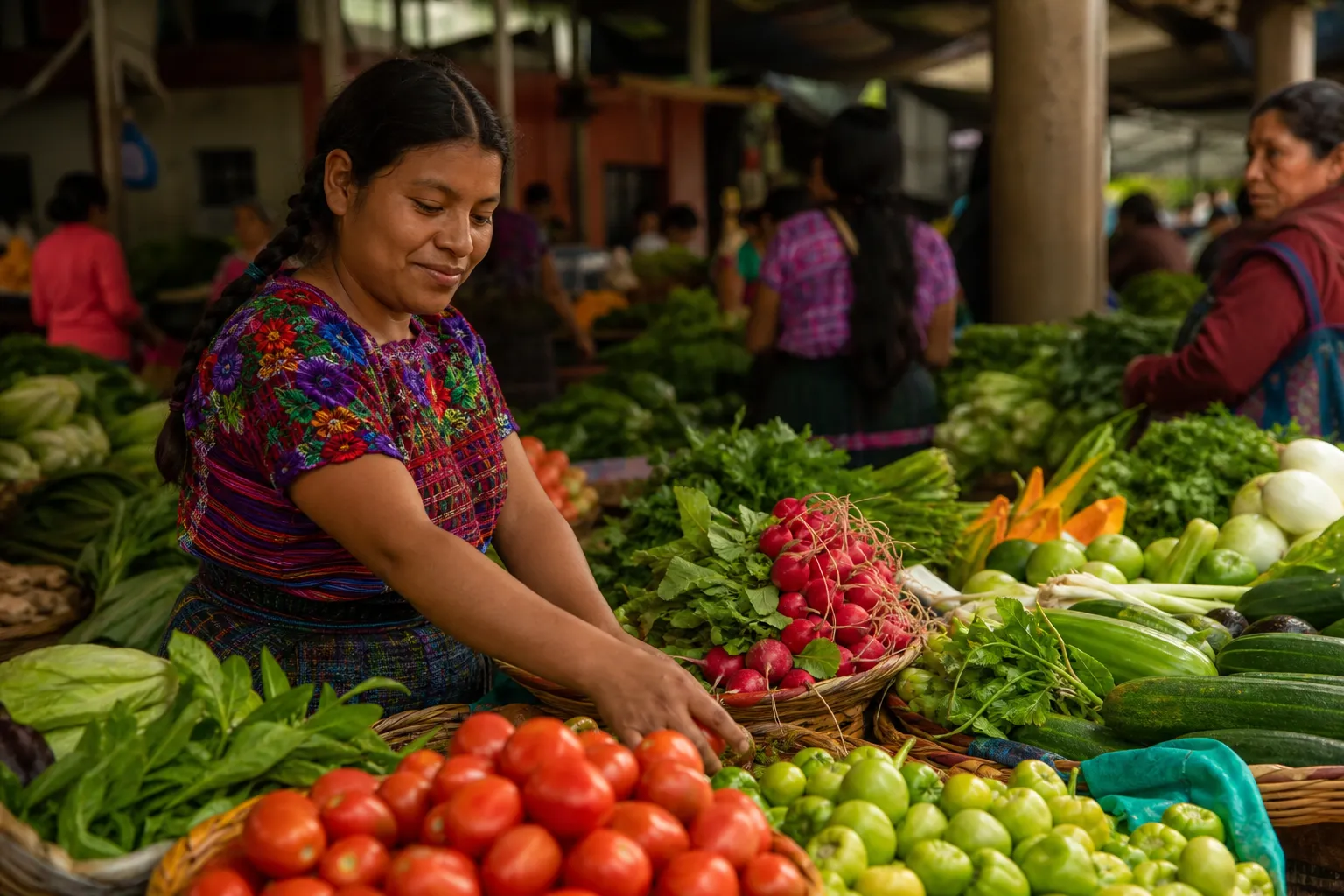
Barcelona Spanish confidence grows in neighborhood mercats away from Ramblas: ask weights, prices, and cooking tips in Spanish while vendors also speak Catalan to each other. Bilingual background becomes feature, not confusion, when you focus on your outgoing Spanish clarity.
Work and study environments
Offices may default Catalan internally; switch to Spanish for you politely. Meetings start with small talk in either language.
University campuses bilingual—check syllabus language.
Common visitor mistakes
Assuming Catalan is dialect of Spanish. Refusing Catalan outright in shops. Calling Barcelona “Barca” only for football.
Speaking loudly in English in residential elevators.
Media for bilingual ear
TV3 and Catalunya Ràdio train Catalan; national Spanish news trains Castilian. Alternate weekly.
Subtitled films show code-switching naturally.
Download offline maps with Catalan street names but practice saying them in Spanish to taxi drivers until comfortable. Bilingual signage stops feeling hostile when you treat Catalan as courtesy layer and Spanish as your working travel language without needing perfection in both.
Slapp before Barcelona
Directions, restaurant, and hotel modules work in Spanish; add bon dia separately.
Practice metro line colors and Catalan station names aloud.
Examples
Bon dia. ¿Habla castellano?
Good day. Do you speak Castilian?
Gràcies. ¿Cuánto cuesta?
Thanks. How much is it?
Un pa amb tomàquet, por favor.
Bread with tomato, please.
¿A qué hora abre la Sagrada Familia?
What time does Sagrada Familia open?
¿Me lo puede explicar en castellano?
Can you explain it in Castilian?
FAQ
Must I learn Catalan?
Spanish suffices; basic Catalan greetings help in neighborhoods.
Will people refuse Spanish?
Rare in tourism; some prefer Catalan—stay polite either way.
Is Catalan like Spanish?
Separate language—similar alphabet, different vocabulary and grammar.
Barcelona only?
Catalan is regional—Girona, Lleida, Tarragona too.
Takeaway
In Catalonia, Spanish travels and Catalan courtesy opens doors. Greet bilingually, read menus patiently, and avoid politics you have not earned through listening. Treat every mercat visit as a five-minute Spanish drill: weights, prices, and thank-yous add up across a week until bilingual signage feels like background music rather than a barrier.