Culture
Castilian Leon Rural Spanish
Castile and León preserve rural Spanish rhythms: wide mesetas, Romanesque churches, lechazo roast lamb, and speech that can sound conservative and clear to learners. English speakers on the Camino Francés, in Salamanca’s university city, or wine touring Ribera del Duero benefit from formal courtesy, countryside directions, and vocabulary for cold nights and hearty meals. This guide contrasts village pace with student nightlife Spanish in Salamanca.
Castilian clarity myth and reality
Textbooks call Castilian “standard”—locals still have melody and rural vocabulary. Meseta wind shapes lifestyle and conversation topics.
Older speakers may use formal usted longer.
Valladolid Semana Santa processions use austere Castilian tone—silence rules stricter than Andalusian drama. Pick up free horario sheets at turismo.
Salamanca university Spanish
Student city mixes international English with clear Castilian. Plaza Mayor nights need reserva vocabulary for tapas.
University tours bilingual—¿Dónde está la biblioteca histórica?
Wolf watching in Sierra de la Culebra needs madrugada and telescopio vocabulary. Ethical tours keep distance—¿Es avistamiento responsable?
León and Astorga Camino stages
Buen camino repeats. Rural albergues need ¿Hay cena incluida? Weather shifts fast—¿Hace mucho frío esta noche?
Chocolate con churros in León is tradition—order at merienda time.
University Salamanca nightlife does not erase daytime formality in churches—switch register when entering religious buildings with lower voice.
Lechazo and asador vocabulary
Roast milk lamb defines regional pride. ¿Cuánto tiempo tarda el lechazo? Reservations essential weekends.
Vino de Ribera del Duero pairs—¿Un crianza local?
Burgos cathedral spires dominate Camino stage—ask hospitaleros ¿Dónde está la credencial? for pilgrim passport stamps in Spanish.
Romanesque and cathedral Spanish
Catedral de Burgos, León stained glass—guided tours use arte vocabulary cognate-rich.
Silence in churches—hablar bajo.
Ribera del Duero wine buses from Valladolid need sober driver planning—¿Hay tour sin degustación para conductores?
Village market Saturdays
Small towns swell market mornings. ¿Es producto de la tierra? matters to locals.
Cash still king in pueblos.
Winter cold vocabulary
Calefacción, manta, and termo appear in rural guesthouses. ¿Tienen calefacción en la habitación?
Snow in mountain passes—¿Está cortada la carretera?
Rural Castile rewards patience: shopkeepers may pause longer before answering, not because Spanish failed but because rural conversation allows silence. Wait, smile, repeat question simply—¿Busco pan?—and conversation usually continues warmly.
Wine route Ribera del Duero
Bodega visits need cita previa. ¿Incluye cata? Designated driver Spanish ready.
Tempranillo discussions reward simple adjectives.
Politeness in conservative towns
Greetings at church doors and shops mandatory. Skipping buenos días noticed negatively.
Dress modestly in villages Sunday morning.
Mistakes visitors make
Rushing meals in asadores. Assuming Salamanca equals all region speed.
Ignoring Camino albergue quiet hours after 10 pm.
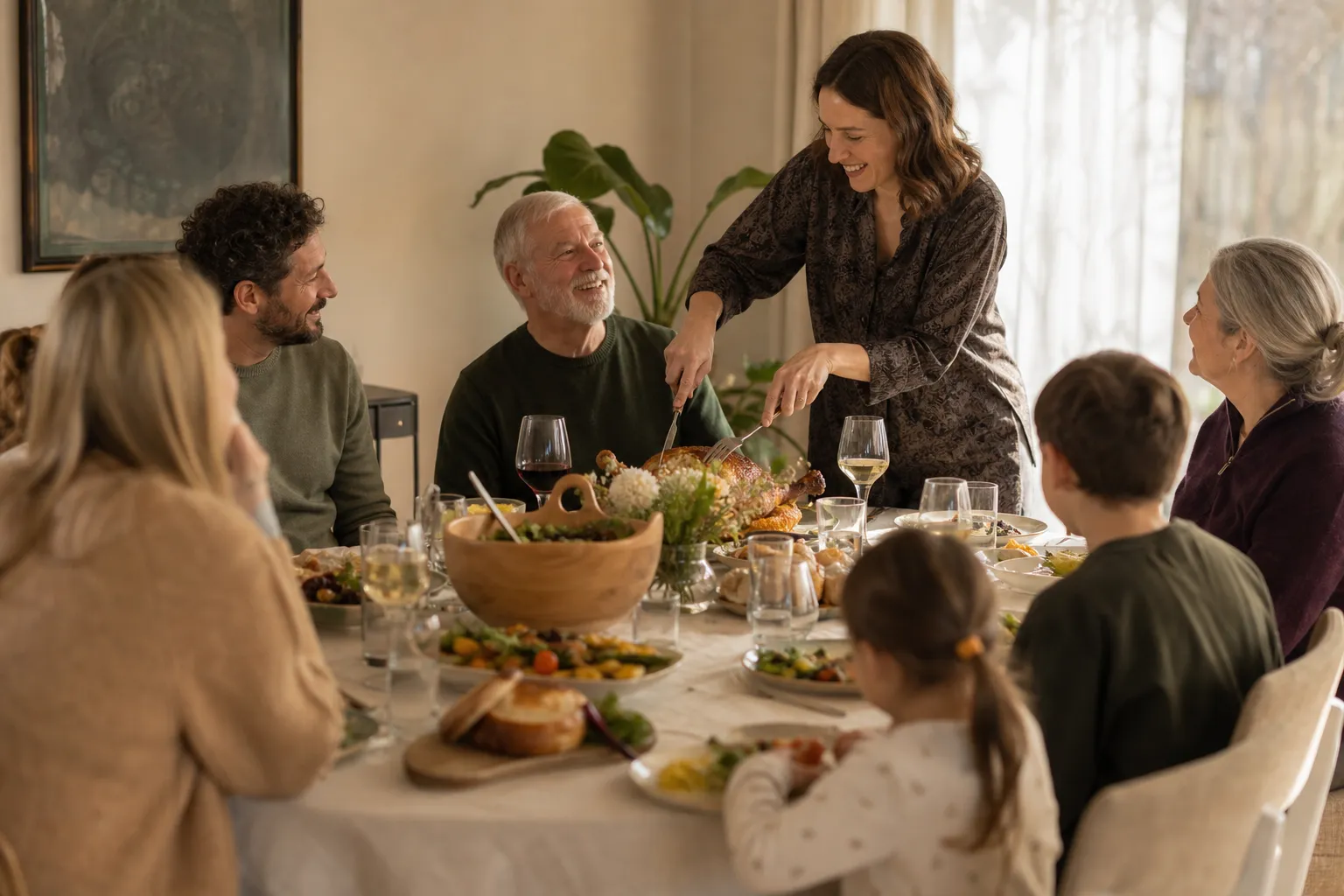
Stay one night in a village albergue or rural guesthouse and ask hosts about local lechazo or wine in Spanish after dinner. Rural Castile opens when you listen to family stories about harvest and weather; those minutes teach more regional vocabulary than another cathedral audio guide in English.
Slapp for Castile-León
Hotel, hiking, and restaurant modules support Camino and wine routes.
Practice temperature and reservation phrases.
Examples
Buen camino.
Good walk (Camino).
¿Tienen mesa para dos a las dos?
Do you have a table for two at two?
¿Es lechazo al horno de leña?
Is it wood-oven roast lamb?
¿Hay calefacción?
Is there heating?
¿Dónde está la bodega más cercana?
Where is the nearest winery?
FAQ
Is this “pure” Spanish?
Clear Castilian yes—still regional with rural terms.
Camino Spanish enough?
Pilgrim phrases repeat daily—excellent practice.
Best food word?
Lechazo—reserve ahead.
Cold when?
Winter meseta nights—heat vocabulary essential.
Takeaway
Castile and León rural Spanish favors courtesy, roast lamb vocabulary, and Camino repetition—speak clearly, eat slowly, and greet everyone in village shops. Greet every shopkeeper in village mornings even when buying only water; rural Castile notices courtesy and often rewards slow clear conversation with patience when your Spanish is still intermediate. Pack patience for rural meal pacing; asking ¿Cuánto tiempo tarda el lechazo? in Spanish starts realistic time expectations and pleasant conversation with asadores who take pride in slow wood-oven cooking. Small daily listening practice builds confidence before you travel. Small daily listening practice builds confidence before you travel. Small daily listening practice builds confidence before you travel.