Culture
Bautizo and Community Spanish
A bautizo baptizes an infant or convert into the Catholic Church—and in much of Latin America, it doubles as a community fiesta uniting compadres, family, and neighbors. English speakers learning Spanish encounter formal religious vocabulary beside casual kitchen chatter. Whether you are invited as guest, padrino, or curious friend, your job is supportive presence: learn blessings, gift customs, and meal-time phrases that show you understand this day belongs to the child and the village around them.
Baptism as sacrament and social anchor
The rite washes away original sin in Catholic teaching and welcomes the child into the faith. Godparents—padrino and madrina—accept spiritual guardianship, often lifelong bonds with parents.
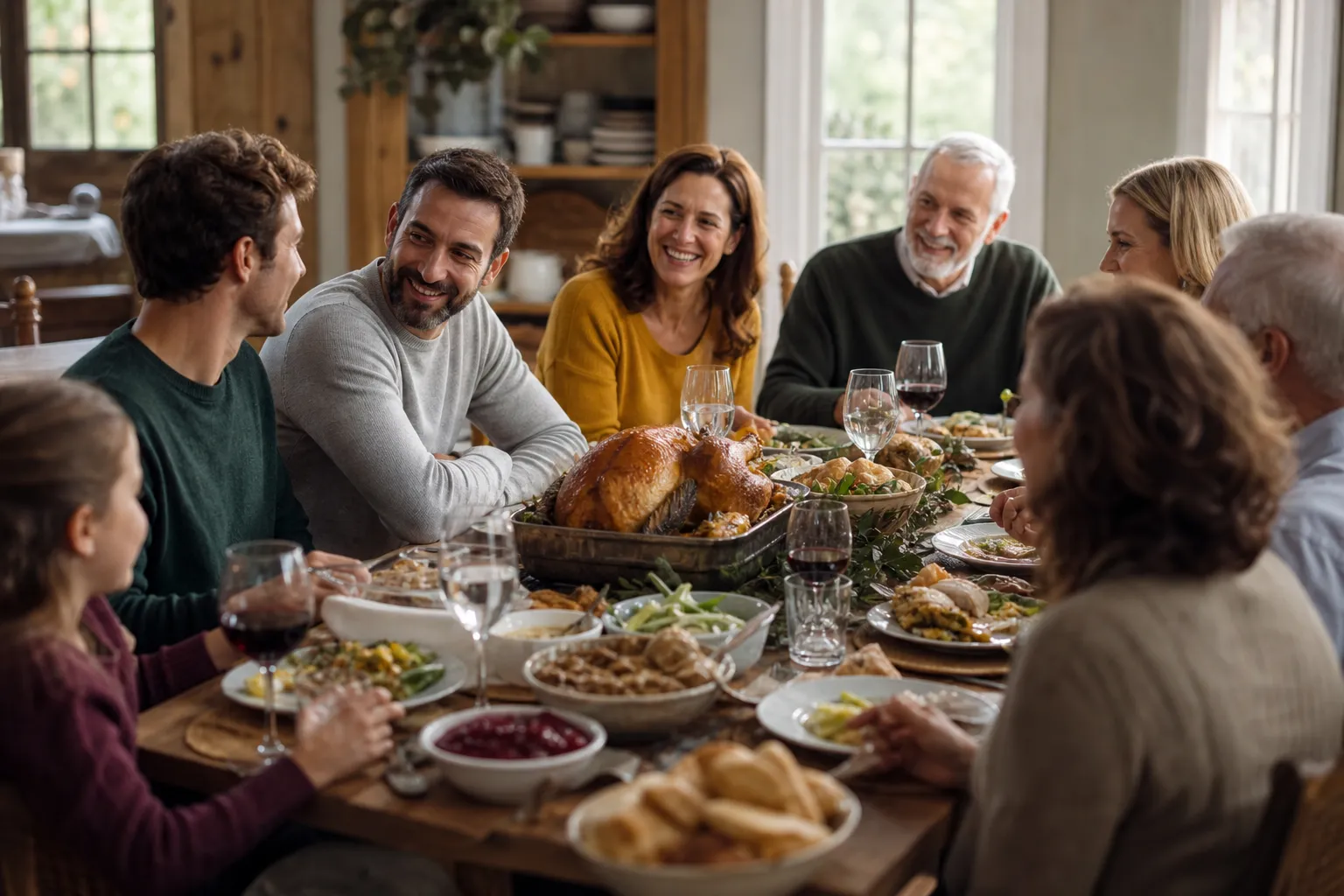
After church, families host comida or comedor comunitario—shared meal reinforcing social ties. Absence without excuse can offend in tight-knit towns.
Religious vocabulary for the ceremony
Bautismo is baptism; pila bautismal is the font. Padres espirituales are godparents collectively. Renunciar al demonio phrases appear in liturgy—stand quietly if unfamiliar.
Velas, agua bendita, and óleo santo—holy oil—mark ritual moments. Fotografía may be restricted during sacrament—ask the priest.
- padrino / madrina — godfather / godmother
- pila bautismal — baptismal font
- agua bendita — holy water
- compadrazgo — godparent bond
Role of padrinos and guests
Padrinos may gift the christening gown, medal, or reception costs. Confirm expectations early—¿Qué responsabilidad tengo como padrino?
Guests bring regalos—often gold jewelry or savings bonds in some countries, clothes or diapers in others. When unsure, ask parents discreetly.
Etiquette inside the church
Arrive early; baptisms may share Sunday mass schedule. Silence phones; dress modestly—hombros cubiertos for women in conservative parishes.
Non-Catholics can attend but should not receive communion. Bow at the altar if others do, or stand respectfully.
Party and meal phrases
Felicidades a los papás opens conversation. ¿Cómo se llama el bebé? honors the child. Qué Dios lo bendiga is universal blessing.
During comida, offer to help: ¿Les ayudo a servir? Parents appreciate practical Spanish over elaborate speeches.
Regional customs from Spain to Peru
Spain may keep baptisms smaller; Mexico and Colombia often host large receptions with banda or DJ. Andean communities integrate indigenous blessings—observe without inventing fusion commentary.
Timing varies—some baptize weeks after birth, others at one year. Never rush parents with ¿Por qué tardaron?
Compadrazgo language beyond baptism
Parents call godparents compadre and comadre; godparents call parents the same. The reciprocal titles bind families for weddings, crises, and holidays.
Misunderstanding compadrazgo as “ceremonial only” underestimates obligation. Learn the network—you are entering relational Spanish, not a one-day event.
Gifts and money sensitivity
Envelopes with cash help when parents hint at reception costs. Expensive jewelry carries symbolic weight—medalla de oro may be heirloom.
Do not critique spending. Admire el vestido del bebé sincerely.
Photography and social media
Ask before posting baby faces—some families limit online presence. Flash during baptism distracts clergy—use natural light afterward.
Group photos need patience—¿Todos listos? helps organize tíos and primos.
Phrases for converts or adult baptism
Adult bautizos emphasize catecismo—catechism study. Felicidades por tu entrada a la iglesia adapts congratulations. Respect longer liturgy and testimony speeches.
Vocabulary overlaps with confirmación—confirmation—another sacrament learners may encounter separately.
Connecting baptism Spanish to daily life
Church vocabulary appears on street signs, hospital chapels, and funeral masses. Baptism study prepares you for weddings and first communions in the same families.
Slapp family-dinner and expressing-gratitude situations build polite warmth before you hold a baby in borrowed Spanish.
Years after the baptism, godparents who remember birthdays in Spanish—¡Feliz cumple, ahijado!—prove compadrazgo was not a one-day costume. A voice note on feast days costs nothing and cements trust across borders when you cannot attend mass in person.
Examples
Felicidades por el bautismo.
Congratulations on the baptism.
¿Cómo se llama el bebé?
What is the baby’s name?
Qué Dios lo bendiga.
May God bless him/her.
Gracias por ser nuestros padrinos.
Thank you for being our godparents.
¿Necesitan ayuda con la comida?
Do you need help with the food?
FAQ
Must I be Catholic to attend?
Guests of many faiths attend celebrations. Participate respectfully in church; skip communion if you are not Catholic.
What do padrinos pay for?
Varies by family—gown, party, cake, or spiritual role only. Clarify before accepting.
When do baptisms happen?
Often in the child’s first year, but timing is cultural and personal. Follow the invitation.
Appropriate gifts?
Religious medals, savings, clothes, or practical baby items—ask parents what they prefer.
Takeaway
Bautizo Spanish weaves sacrament and community—master padrino, bendición, and felicidades, show up for mass and meal, and honor compadrazgo as lasting family language.