hotel
A1Spanish phrases for Hotel Parking
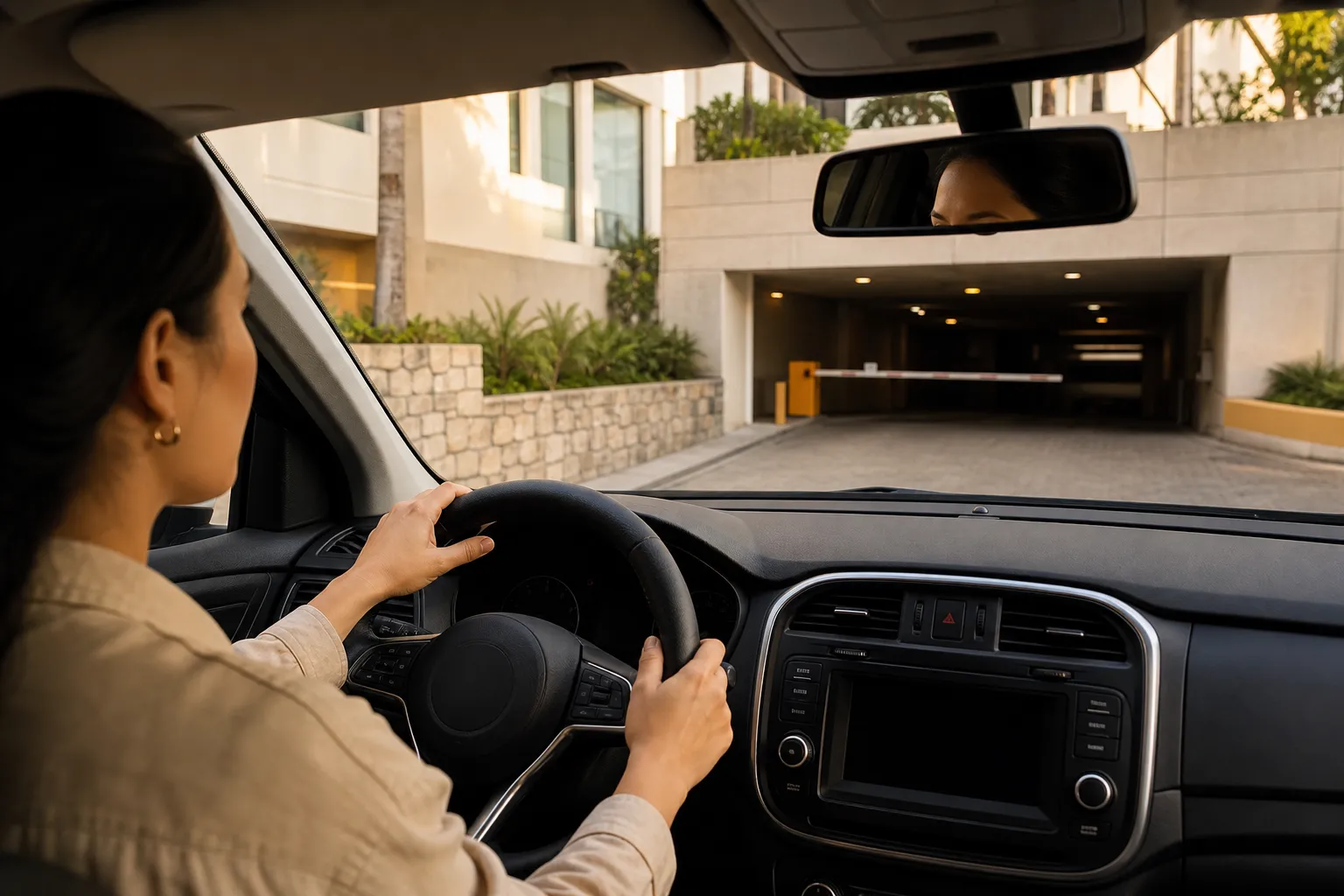
Park your car at the hotel. A smooth hotel stay runs on clear requests at reception and in your room — these phrases cover the guest experience start to finish.
This guide to Hotel Parking is for beginners learning Spanish for check-in, amenities, and checkout. From the moment you arrive with a reservation to the morning you settle the bill, hotel staff expect short, polite requests. This situation walks through the phrases guests use most.
A1 Spanish means simple verbs and familiar nouns. The goal is communication, not perfection — locals respect the effort. If someone switches to English, you can still reply with one of these Spanish lines — it signals you want to practice and keeps the conversation in your target language.
Core phrases include "¿Tiene aparcamiento?", "¿Es gratuito?", and "¿Dónde dejo el coche?". Practice them in order or jump to the line you need most — every phrase includes a natural English gloss so you never guess the meaning.
With Slapp, drill these phrases in context until they feel automatic. Listen first, repeat aloud, then try swapping one word — a time, a place, a number — to build flexible speaking habits. Treat this page as your script and Slapp as your rehearsal room. Short daily practice beats last-minute panic every time.
Browse all fifteen phrases for hotel parking below — each with Spanish, English, and Slapp practice when available. Focus on hotel stays and guest services vocabulary you will reuse in nearby situations too.
15 A1 phrases for this scene
Phrase 1
Phrase 2
Phrase 3
Phrase 4
Phrase 5
Phrase 6
Phrase 7
Phrase 8
Phrase 9
Phrase 10
Phrase 12
Phrase 13
Phrase 14
The Slapp 5× repeat method
Don't cram. Let your brain collect the pattern in the background.
- 1Listen to the phrase audio once without pressure
- 2Read the Spanish and English together
- 3Replay tomorrow — same phrase, fresh context
- 4Repeat on day 3, day 5, and day 7
- 5Move on when it sounds obvious