emergency
A1Spanish phrases for Drowning Help
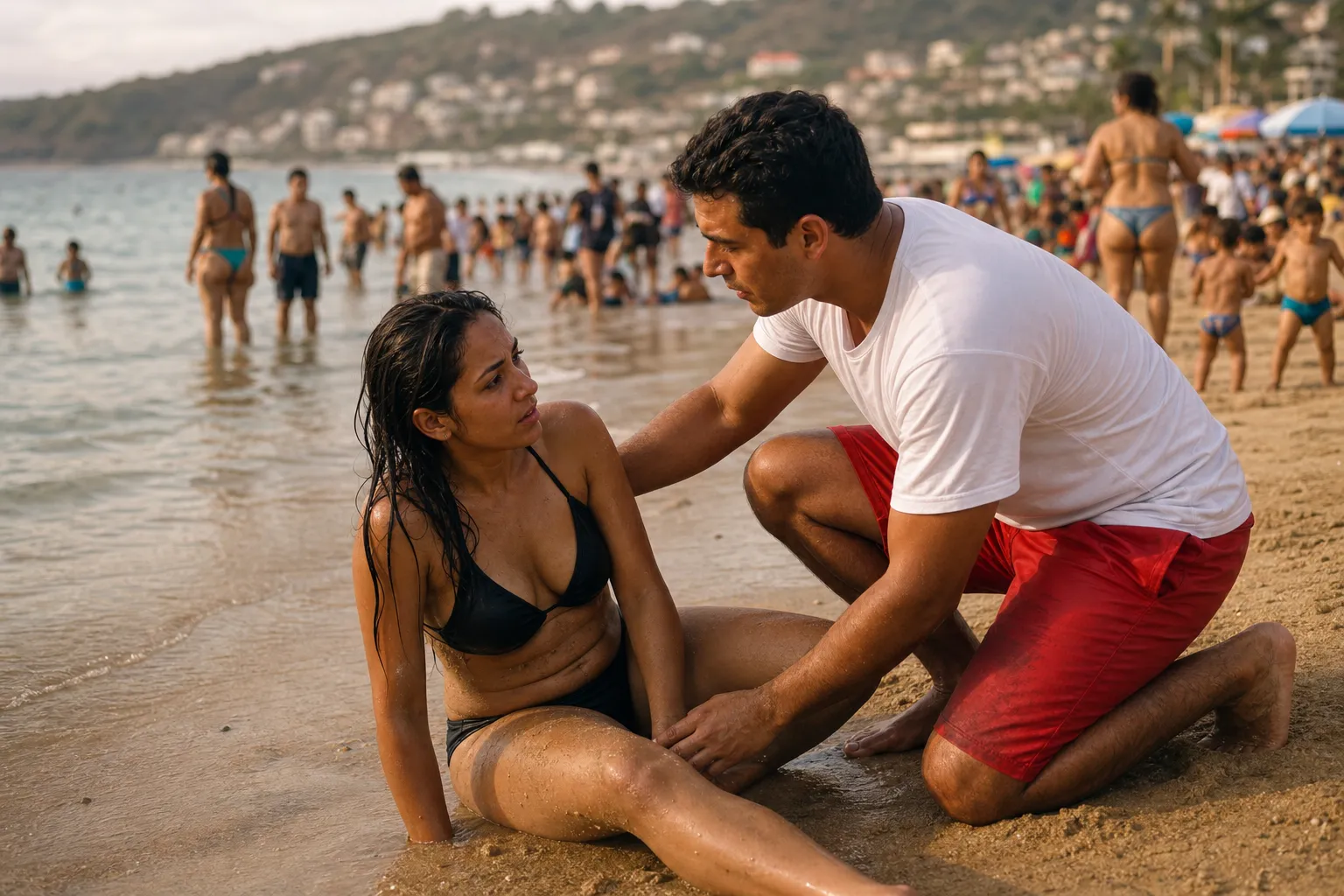
Call for help near water. In urgent moments, short clear Spanish helps others help you faster — practice these lines before you need them.
This guide to Drowning Help is for beginners learning Spanish for urgent help and safety. Nobody plans an emergency abroad, but knowing key lines in advance reduces panic. Focus on short sentences others can act on immediately — location, problem, and urgency.
As a beginner, prioritize being clear over being fancy. The phrases below are the same ones locals use with tourists every day. You may hear regional accents or local slang. Stick to the phrases below first; once you are understood, locals often help you with friendlier or more colloquial versions.
Among the fifteen phrases below, notice how "¡Ayuda, no sé nadar!" opens the conversation while "¡Llame a un socorrista!" and "Sálganse del agua" handle the most common follow-up questions. That pattern repeats across Spanish-speaking countries.
Use Slapp on the way to the appointment or during a coffee break. Even two minutes of focused listening builds the confidence to speak when the moment arrives. When you are ready, practice aloud with Slapp until you can say any line without reading. That is the threshold where real-world Spanish starts to feel fun.
Browse all fifteen phrases for drowning help below — each with Spanish, English, and Slapp practice when available. Focus on emergencies and urgent situations vocabulary you will reuse in nearby situations too.
15 A1 phrases for this scene
Phrase 1
Phrase 2
Phrase 3
Phrase 4
Phrase 5
Phrase 6
Phrase 7
Phrase 8
Phrase 9
Phrase 10
Phrase 11
Phrase 12
Phrase 13
Phrase 14
Phrase 15
The Slapp 5× repeat method
Don't cram. Let your brain collect the pattern in the background.
- 1Listen to the phrase audio once without pressure
- 2Read the Spanish and English together
- 3Replay tomorrow — same phrase, fresh context
- 4Repeat on day 3, day 5, and day 7
- 5Move on when it sounds obvious